Get Full Government Meeting Transcripts, Videos, & Alerts Forever!
Get email alerts on the Transportation Tolling topic
No spam. Unsubscribe anytime.
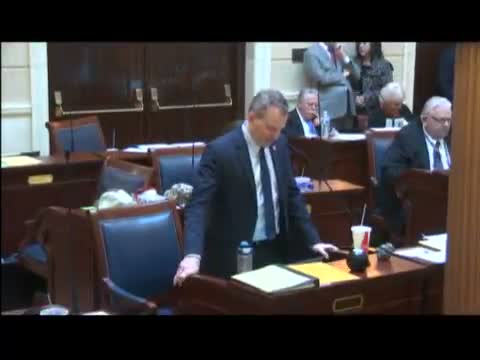
Senate approves substitute to expand UDOT tolling authority amid logistics, equity debate
Summary
The Utah Senate adopted a substituted version of Senate Bill 71 authorizing the Utah Department of Transportation to toll new and, in some cases, existing road capacity. Supporters said the tool addresses declining gas-tax revenue; opponents raised equity and implementation concerns about how motorists—especially out-of-state drivers—would be charged.
The Utah State Senate voted to approve a substituted version of Senate Bill 71, a measure that would allow the Utah Department of Transportation (UDOT) to toll new road capacity and, under the substitute the chamber adopted, to toll certain existing capacity.
Proponents argued the change is a necessary policy tool as revenue from the gas tax declines. An unidentified senator moving the substitution said the second substitute incorporates changes made on the floor and one additional substantive change to authorize tolling of existing capacity. President Niederhauser, who spoke in support, said the authority should be available statewide so that the costs and benefits of new capacity are distributed broadly rather than concentrated on specific growth areas.
Opponents pressed on fairness and the mechanics of collection. Senator Fillmore asked how motorists without toll accounts or transponders would be billed; Senator Andorick asked about out-of-state reciprocity and whether a practical system exists to charge drivers who do not maintain an account. The presiding officer and proponents acknowledged those details remain to be worked out and said federal processes, environmental reviews and reciprocity agreements would constrain and shape any eventual implementation.
Supporters noted that the statute’s authorization is preparatory: passing the law does not mean tolling would begin immediately. The sponsor told senators the measure merely authorizes the department to develop the programs and to use modern technology (for example, account set-up via mobile apps or vehicle-registration links) rather than immediately deploying tolls in the field.
The floor debate emphasized equity repeatedly. Supporters argued statewide authority prevents a handful of localities or growth-area drivers from shouldering the full cost of new capacity; critics said the public has legitimate concerns about paying for roads through user fees that look different by geography and called for clearer safeguards and public notice before collection begins.
The sponsor waived summation and the Senate recorded a roll-call vote. The presiding officer declared the substituted bill passed and to be transmitted to the House for its consideration.
The bill’s next steps are administrative and procedural: UDOT and relevant federal agencies would need to complete technical, legal and environmental processes before any tolls could be imposed.