Get Full Government Meeting Transcripts, Videos, & Alerts Forever!
Get email alerts on the State Trust Land Policy topic
No spam. Unsubscribe anytime.
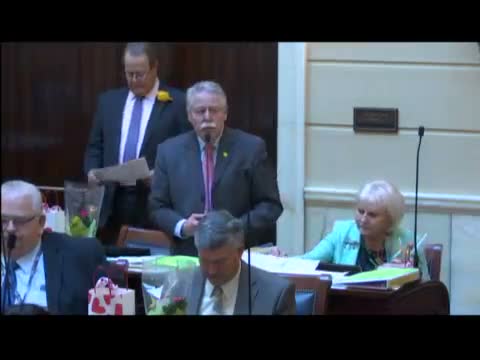
Senators clash over bill that would prefer leasing state trust lands to selling them
Summary
Senators debated language that would give preference to leasing state trust lands over sale. Supporters said leasing preserves long-term public value and revenue; opponents said many trust land sales created dedicated trust funds and that sale remains an important revenue tool. Sponsor said she would work with municipal leaders to address tax-treatment concerns.
A bill proposing a preference that the state lease, rather than sell, certain state trust lands drew extended debate on the Senate floor, with lawmakers airing sharply different views on long-term stewardship and taxation.
Senator Davis, the bill’s sponsor, said the state should “look at the value of land, not just today” and voiced support for a policy that favors leasing when practical so that the state can preserve assets and revenue for future generations. “I think there should be a specific preference for this state to lease where it's practical rather than sell off the land,” she said on the floor.
Senator Hankins pushed back, saying historical land sales have been used to capitalize permanent trusts that generate investment income for public purposes. He described how some institutional trust lands were sold and placed in trust funds that provide earnings the state can spend without touching principal, and cautioned that permanent revenue streams were created by sales in prior years.
Other senators raised technical concerns about how taxation would apply if land were leased instead of sold and whether local governments and the League of Cities and Towns might be disadvantaged. In response, Davis said she had discussed taxation questions with municipal leaders and was willing to return next year with amendments to address those concerns.
The transcript records a sustained exchange of views about trade-offs: proponents framed leasing as a way to preserve state assets and create multigenerational value, while opponents stressed that sales had historically funded trust endowments and produced tax revenue once parcels entered the private tax rolls. The sponsor asked colleagues for support for the bill’s process and signaled readiness to refine tax-treatment language in a future amendment.
The Senate debated the motion and proceeded to further consideration; the transcript excerpt contains roll-call activity and floor motions associated with the item but does not provide a single clear final floor tally for the bill’s ultimate passage in the excerpted segments.