Get Full Government Meeting Transcripts, Videos, & Alerts Forever!
Get email alerts on the Mental Health Response topic
No spam. Unsubscribe anytime.
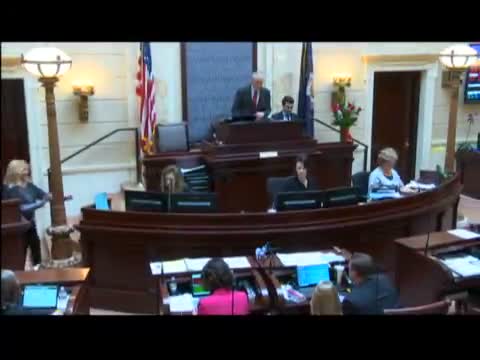
Senate backs 'Outreach Team Act' to create mental‑health first responders; bill sent to House
Summary
The Utah Senate concurred with House amendments to the Outreach Team Act, directing the Division of Substance Abuse and Mental Health to create a specialized first‑responder role for mental‑health and suicide crises; the motion passed on a 23–2 roll call and the bill was transmitted to the House for signature.
Senator Curt Thatcher, floor sponsor of the substitute Outreach Team Act (first substitute Senate Bill 31), told the Senate the measure would establish a new type of first responder specifically trained to handle mental‑health and suicide crises and direct the Division of Substance Abuse and Mental Health to implement standards and oversight.
"This is something that I believe is going to set the standard, nationally, for how mental health crisis is handled by our governments," Senator Thatcher said, arguing that current responses rely on police, fire or emergency medical services not specialized for behavioral‑health intervention.
The substitute adopted in the House, Senator Thatcher said, gives the division authority to ensure programs are implemented correctly. The text makes the new responders a formal option alongside police, fire and EMS and includes suicide‑intervention training and service protocols.
The Senate moved to concur with the House amendments. On roll call the clerk recorded 23 yea, 2 nay and 4 absent; the motion carried and the bill was transmitted to the House for the speaker's signature.
Supporters said the measure expands options for crisis response and could reduce unnecessary law‑enforcement involvement in behavioral‑health emergencies. Opponents on the floor raised concerns about program scope and implementation logistics during discussion prior to the vote.
Next steps: the bill now proceeds to the House for its final administrative processing (signature of the speaker) and subsequent enrollment before it becomes law or is sent to the governor for consideration.