Get Full Government Meeting Transcripts, Videos, & Alerts Forever!
Get email alerts on the Fireworks Regulation topic
No spam. Unsubscribe anytime.
Senate advances bill narrowing personal fireworks windows, expanding local control
Summary
The Senate advanced House Bill 38 after debate, reducing the number of days Utahns may discharge personal fireworks and giving local governments new authority to ban fireworks in historically hazardous areas and near canyons and waterways. The bill also increases penalties and clarifies civil liability for damage.
House Bill 38, a compromise package tightening Utah’s rules on personal fireworks, was presented to the Senate and advanced on a roll-call vote.
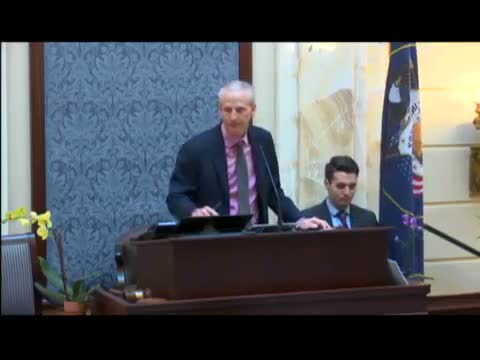
Senator Iwamoto introduced the bill, saying a working group of fire officials, law enforcement, city and town representatives, state foresters and industry stakeholders crafted the changes after months of review. The bill adds metro townships to the list of local jurisdictions that may regulate fireworks, allows communities to prohibit fireworks in historically hazardous environmental areas (if boundaries are clearly identified), and permits local bans within 200 feet of waterways and canyon edges.
The measure reduces the total number of allowable discharge days for personal fireworks around holidays from 14 days to eight days and raises penalties for discharging outside permitted times (sponsor cited an increase in penalty amounts occurring in the draft). The bill also clarifies that a person who unlawfully discharges fireworks is civilly responsible for property damage and fire suppression costs, a change sponsors said will aid law enforcement and fire officials in recovery efforts.
In floor discussion, Senator Wyler said he supported the bill despite wishing it had gone further, citing concerns for veterans and people with disabilities affected by fireworks noise. After debate the Senate moved HB38 to third reading; the President announced the House-originated bill had received 22 yes votes, 2 no votes and 5 absent.
The bill does not affect commercial fireworks displays, only personal use, and does not ban any specific device type statewide—localities retain the authority to adopt further restrictions where the bill permits.