Get Full Government Meeting Transcripts, Videos, & Alerts Forever!
Get email alerts on the Education Policy topic
No spam. Unsubscribe anytime.
Senate debate spotlights unfunded‑mandate concern on HR requirement for new charter schools (SB 70)
Summary
Senator Maine sponsored SB 70, requiring new charter schools and special districts to designate an HR person; Senator Henderson questioned a zero fiscal note and warned it could create an unfunded mandate, while the sponsor said existing staff or contractors could fulfill the role.
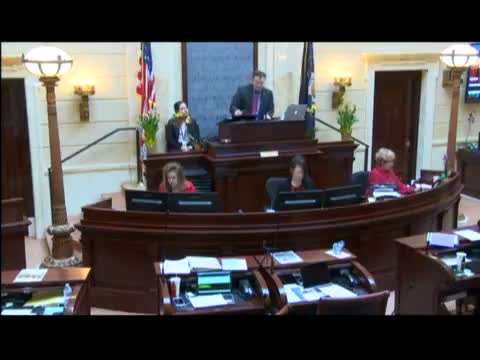
Senator Maine presented First Substitute Senate Bill 70 on Feb. 9, a bill aimed at requiring that new charter schools and special districts designate a human resources contact (which could be a part‑time employee, an existing administrator or contracted service) to handle responsibilities such as retirement, insurance and other HR duties when a facility opens.
During floor discussion, Senator Henderson asked the sponsor about the fiscal note, saying, "I noticed that the fiscal note is 0. But this cost will have to be borne by the entity. And I am concerned that we're giving an unfunded mandate to charter schools." Henderson pressed whether the bill would impose a new personnel cost on schools.
Senator Maine responded that the law was intended to require a designated HR contact, not necessarily a new hire. "It doesn't have to be a new person," Maine said, explaining that duties could be assigned to an assistant principal, a secretary or contracted HR providers and that many entities already contract out HR services. Maine said the designation provides continuity and security for a school's personnel processes when it opens.
After discussion, Senator Maine moved that the first substitute be read for a third time. The Senate recorded 24 yea votes and 0 nay votes and advanced the bill to third reading as announced on the floor.
Why it matters: The exchange centers on whether a statutory requirement for an HR designee would create budget pressure for small charter operators or whether it simply formalizes an existing practice. Sponsors said flexibility in how duties are assigned was intended to limit fiscal impact, while at least one senator on the floor sought clarity on whether the zero fiscal note adequately reflects implementation costs.
Next steps: The Senate read the first substitute for a third time and the bill will proceed through the legislative calendar for further consideration.