Get Full Government Meeting Transcripts, Videos, & Alerts Forever!
Get email alerts on the Public Safety Police K9 topic
No spam. Unsubscribe anytime.
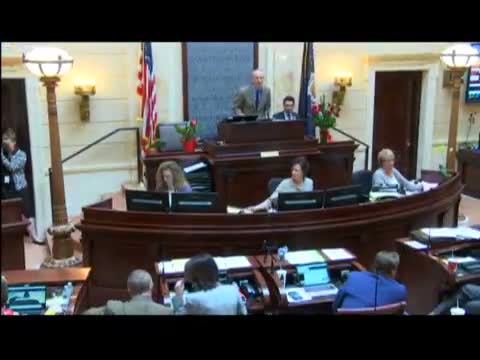
Utah Senate passes bill increasing penalties for killing police service animals after heated floor debate
Summary
The Utah Senate approved first substitute Senate Bill 57, raising penalties for intentionally killing police service animals after debate over whether the change elevates an animal’s loss above human victims; the measure passed 20–6 with three absent and will go to the House.
The Utah Senate on the floor passed first substitute Senate Bill 57 on a 20–6 vote, moving the measure to the House for further consideration. The bill’s sponsor, Senator Yamamoto, said the measure recognizes police canines as public servants and argues enhanced penalties reflect their role in protecting officers and the public.
Yamamoto described the training and mission of K‑9 teams and recounted cases she said illustrate their lifesaving role: “These canine police officers deescalate criminals, catch dangerous criminals, avert future crimes,” she said in remarks on the floor, noting replacement costs and extensive training time for handlers and animals.
The bill drew sharp questions from colleagues who argued the proposal relies on imprecise monetary valuations and could create a legal mismatch between penalties for killing animals and penalties for killing people. An unidentified senator who pressed the amendment said: “If we elevate the deaths of Dingo and Aldo to a second degree felony, we’re saying that those service animals’ deaths are more valuable than that of human beings.” That senator moved to lower the offense to a class A misdemeanor; the amendment failed on the floor.
Senators debated specific factual claims raised during floor debate, including differing estimates of acquisition and training costs for K‑9s. The sponsor cited anecdotal replacement-cost estimates, while other senators pointed to research and agency figures indicating lower purchase costs but noted training and handler time add to program costs. The transcript records that the Sentencing Commission did not endorse the bill, and a senator asked the sponsor whether the commission supported the proposal; the sponsor said it did not.
After extended colloquy addressing the policy rationale and statutory thresholds for escalating felony degrees, the Senate called the question and recorded the final tally: 20 yeas, 6 nays, 3 absent. The bill’s passage sends the House the Senate’s first-substitute version for its consideration.
Supporters framed the bill as a public-safety measure, saying enhanced penalties protect officers and help preserve valuable, hard-to-replace team assets. Opponents argued the statutory approach — tying felony degree to valuation — risks inconsistent outcomes and urged a broader review of dollar thresholds used throughout the criminal code.
The Senate did not take additional implementing or funding votes on the floor; next steps are the House committee referral and any further amendment or conference that body may direct.