Get Full Government Meeting Transcripts, Videos, & Alerts Forever!
Get email alerts on the Expungement topic
No spam. Unsubscribe anytime.
Senate approves amendment to allow expungement of fines and fees for dismissed charges
Summary
The Utah Senate passed First Substitute Senate Bill 62 as amended, adding language to expunge fines, fees and interest tied to arrests when charges are dismissed; sponsor said the change is minor and CCJJ does not oppose. The bill passed 26-0 with three absent and will be transmitted to the House.
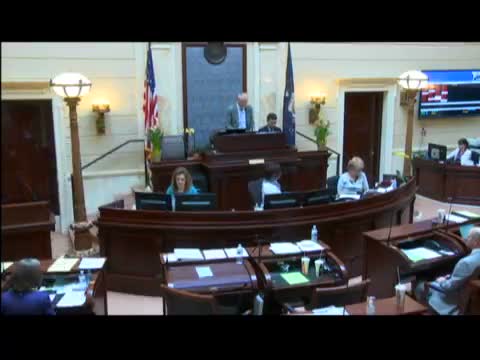
Utah senators on the floor approved an amendment to First Substitute Senate Bill 62 that clarifies courts would expunge fines, fees and interest tied to arrests if the underlying criminal charges are later dismissed.
Senator Weiler, who introduced the amendment, told colleagues it “basically addresses fines, fees, and interest” and clarifies that those amounts “would also be expunged” when charges are dropped. He said the change is slight, that the Council on Criminal and Juvenile Justice (CCJJ) had been contacted and “did not oppose the bill,” and that the amendment is intended to refine how records are cleared so people are not left with lingering obligations after dismissal.
The bill creates or clarifies a process allowing people arrested and later cleared to apply for expungement so their records do not indefinitely affect employment or other opportunities. Weiler said the change fixes situations in which individuals could be left “in limbo for years” despite prosecutors declining prosecution.
After a brief explanation and no further discussion, the Senate voted on a roll call to pass First Substitute Senate Bill 62 as amended. President Niederhauser announced the result: 26 yea, 0 nay, 3 absent. The bill will be sent to the House for their consideration and, if enrolled, transmitted for the president’s signature.
Action and next step: the Senate passed the bill as amended and transmitted it to the House; the House will need to act for the measure to proceed toward final enrollment and signature.