Get Full Government Meeting Transcripts, Videos, & Alerts Forever!
Get email alerts on the Healthcare Insurance topic
No spam. Unsubscribe anytime.
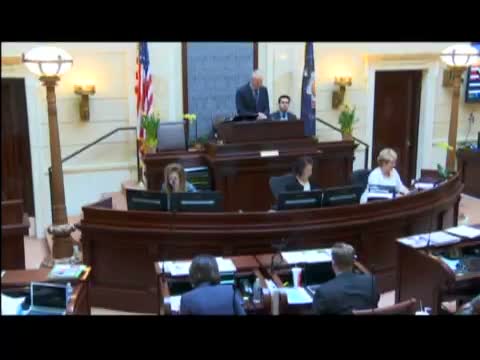
Senate advances health-insurance 'right to shop' pilot after floor debate on protections and fiscal impacts
Summary
Senators advanced HB 19, a pilot 'savings reward' program beginning with PEHP that would rebate insured members a small share of verified savings when they choose lower‑cost covered providers. Floor debate focused on patient protections, panel and balance-billing implications, and fiscal-note assumptions.
Senator Sam Weiler introduced House Bill 19, a pilot program that would allow PEHP to implement a savings‑reward system that pays insured members a small percentage of documented savings when they select covered services billed below the average cost. The sponsor said the measure is patterned after programs in other states and would begin as a PEHP pilot before potentially expanding.
Lawmakers questioned what safeguards the bill provides if a patient receives care of lower price but with poorer outcomes. Senator Escamilla asked whether the bill includes protections for individuals who could face higher costs if they sought care from a different provider panel; Weiler pointed to bill language that limits the reward to services covered by the enrollee’s plan and said the measure does not change existing panel or referral rules. He repeatedly stated that the bill “does not change any of the other requirements” and that insured members remain constrained by their plan’s provider panels.
Senators also pressed sponsor Weiler on balance-billing risks if an insured seeks a lower-cost provider outside their plan panel. Weiler responded that the bill does not alter balance‑billing rules and that any rebate would follow only after PEHP determines the billed cost was lower than average for that service.
Questions about fiscal impact were raised by Senator Hilliard, who noted the fiscal note showed zero impact. Weiler said that if a payout to an insured occurs it implies there was net savings to the plan and that the fiscal analyst likely modeled no net state fiscal impact; he added that some states’ pilots have produced net savings. Weiler said the program’s effect could be reassessed a year after implementation.
The Senate conducted a roll-call vote following sponsor summation; the bill was placed for further Senate consideration (transmitted for Senate consideration per the floor clerk). The transcript includes extended exchanges clarifying that the pilot applies to services covered by the health plan and that any rebate is only payable when PEHP determines the provider billed less than the state average cost for that service.
The Senate’s floor debate on HB 19 centered on balancing cost-savings incentives with patient‑safety and plan‑structure constraints; the sponsor emphasized that existing plan rules and licensing/quality oversight remain unchanged by this bill.