Get Full Government Meeting Transcripts, Videos, & Alerts Forever!
Get email alerts on the Statuary Hall topic
No spam. Unsubscribe anytime.
Utah Senate approves resolution to pursue Martha Hughes Cannon statue in U.S. Capitol
Summary
The Utah Senate voted to approve SCR 1, a privately funded resolution to pursue placement of a statue of physician and suffrage pioneer Martha Hughes Cannon in the U.S. Capitol, sending the measure to the House after a 21–7–1 roll call.
The Utah Senate on the eighth day of the 2018 session approved Senate Concurrent Resolution 1 to pursue a privately funded statue of Martha Hughes Cannon for placement in Statuary Hall or another part of the U.S. Capitol.
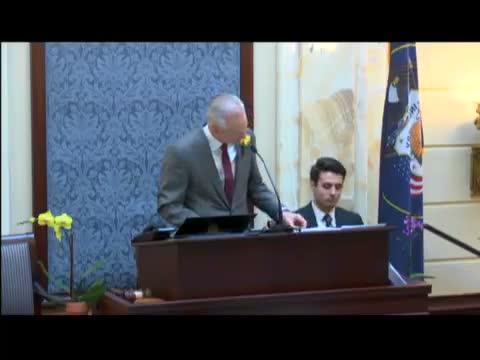
Sponsor Sen. Brian D. (Weiler) told colleagues the resolution would not use taxpayer dollars and would mark the 100th anniversary of the federal women’s suffrage amendment. “The purpose of S.C.R. 1 is to pass a resolution that would allow us as a state to place a statue, a new statue, to be funded privately, not with taxpayer money, in Washington, D.C., in Statuary Hall,” he said during floor remarks and showed a short KUED documentary excerpt about Cannon’s life.
Supporters argued Cannon’s record as a physician, public-health advocate and suffrage leader makes her a suitable candidate to represent Utah on the centennial of women’s right to vote. Sen. Henderson said the measure recognizes both the centennial of the 19th Amendment and Utah’s earlier role in women’s suffrage. “She represents the idea that all of us are equal,” Henderson said.
Opponents said Philo T. Farnsworth, the inventor associated with the development of television, has national scientific achievements that merit continued representation in the Capitol. Sen. Bramble cautioned against diminishing Farnsworth’s contribution, saying the state previously conducted surveys and work before placing Farnsworth’s statue in Statuary Hall.
The chamber debated precedent and process, with some senators urging caution about replacing an existing statue and others emphasizing the unusually low representation of women among the nation’s state contributions to Statuary Hall. The sponsor said a companion measure in the House would establish a committee to oversee the fundraising and placement decision.
Under suspension of the rules the Senate held a roll-call vote and the President announced SCR 1 had received 21 yea votes, 7 nay votes and 1 absent. The resolution will be transmitted to the House for their consideration.