Get Full Government Meeting Transcripts, Videos, & Alerts Forever!
Get email alerts on the Child Protection topic
No spam. Unsubscribe anytime.
Senate approves neglect-definition change after debate over clergy reporting language
Summary
The Utah Senate passed SB 65, narrowing the criminal neglect definition to exclude ordinary parental supervision activities while clarifying that clergy reporting duties remain except for confessional communications; roll call was 25–0 with four senators absent.
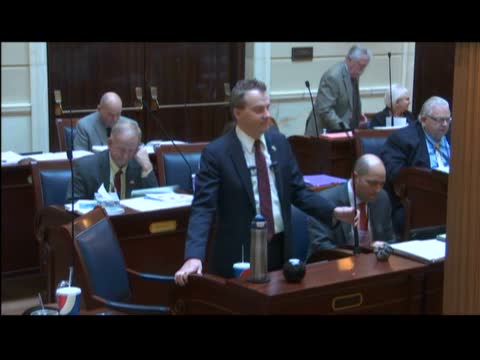
The Utah Senate on the floor approved Senate Bill 65, a measure that narrows the state's criminal definition of child neglect to exclude commonplace parental supervision decisions such as allowing children to play at parks or walk to school. The bill passed after senators sought clarification that the bill did not broadly roll back clergy's obligations to report abuse.
Sponsor remarks and bill purpose Senator Philmor (as transcribed), the bill's sponsor, said the measure removes from the definition of neglect "simple things like letting your kids walk to school" so parents are not arrested for ordinary supervision choices. He framed the bill as protecting parents from criminal exposure for routine caretaking.
Concern over clergy reporting Senator Davis raised a procedural and substantive concern about changes in the bill's language that move an existing notification clause (lines 44–55) into a new section, asking whether those changes effectively exempt clergy from reporting child abuse. "My understanding was clergy were required to report child abuse," Davis said, and requested a temporary hold (to "circle" the bill) for clarifying language.
Sponsor's reply and further clarification A sponsor-side speaker replied that the move merely replaced the word "clergyman" with "member of the clergy" and "does not represent a policy change." Later, after colleagues sought clarity, another senator explained that the exemption is limited to communications made in the context of a confession; otherwise clergy who learn of abuse are required to report it.
Vote and next steps After the clarification and a brief period of additional discussion, the Senate moved to final passage. The clerk announced the vote: SB 65 "having received 25 yay votes, 0 nay votes, 4 being absent," and the bill will be transmitted to the House for consideration. The Senate recorded the passage as a formal action; no amendments to the substantive scope of the bill were adopted on the floor.
Why it matters The change affects how neglect is charged at the margins, removing criminal exposure for parents' ordinary supervisory decisions while preserving statutory reporting duties. The exchange highlights a recurring legislative concern: redrafting code language can inadvertently create confusion about existing duties, in this case for clergy reporting. The House will receive the bill next as it proceeds through the legislative process.