Get Full Government Meeting Transcripts, Videos, & Alerts Forever!
Get email alerts on the Attorney General Opinions topic
No spam. Unsubscribe anytime.
Senate restores requirement clarifying attorney general opinions after governor veto
Summary
The Senate overrode the governor’s veto of House Bill 198, which clarifies the attorney general’s duties on legal opinions and adds a procedure to seek Supreme Court review if an opinion is not provided within 30 days; debate focused on conflict-of-interest processes and whether the governor’s appointment of counsel affects duties.
The Utah Senate voted to override Governor Herbert’s veto of House Bill 198 during the April 2018 veto-override session, returning to statute clarifications about the attorney general’s obligation to provide written legal opinions and a process for resolving conflicts and delays.
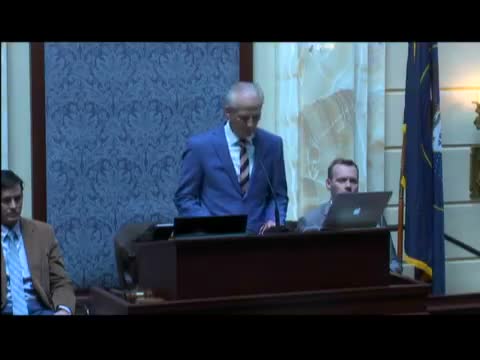
Senator Hilliard, speaking for the bill, said HB198 restates the existing duty for the attorney general to provide written opinions to the Legislature and adds detailed conflict-of-interest procedures used by public-law offices. The bill also includes a mechanism that allows the Legislature to petition the Utah Supreme Court if an opinion is not issued within 30 days.
Supporters said the changes are largely procedural clarifications intended to prevent prolonged uncertainty when the Legislature requests legal advice. Opponents raised questions about whether the governor’s ability to appoint separate counsel might supplant or complicate the attorney general’s advisory role; the sponsor argued the change merely clarifies statutory duties and provides a timely process for resolution.
The clerk recorded the roll call and the Senate announced that the second substitute of HB198 had been overridden and would be transmitted to the House as required.
Next steps: The Senate transmitted its action to the House and the standard administrative steps for overriding a veto were followed.