Get Full Government Meeting Transcripts, Videos, & Alerts Forever!
Get email alerts on the Inland Port topic
No spam. Unsubscribe anytime.
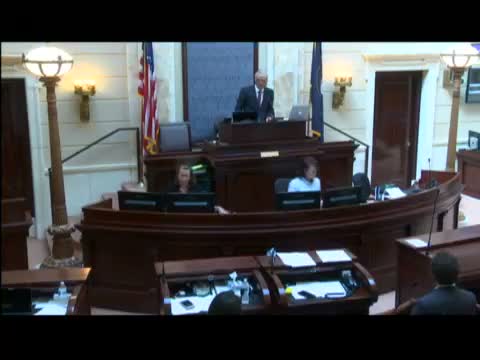
Long debate yields amendments to Utah Inland Port bill; senators weigh local control, environmental safeguards and tax increment
Summary
Senators amended and advanced House Bill 2001 to modify the Utah Inland Port Authority’s boundaries, appeal and environmental provisions and tax‑increment treatment after hours of floor debate over local control, representation and impacts on neighborhoods and taxing entities.
The Utah Senate spent substantial floor time amending and passing House Bill 2001, which revises the Utah Inland Port Authority’s boundaries, appeals processes, environmental protections and tax‑increment arrangements.
Senator Jerry Stevenson, sponsor of the Senate consideration of HB2001, told colleagues the bill reduces the originally proposed footprint, removes the airport and some environmentally sensitive lands from the authority, adds an appeal process, and clarifies service and development agreements with local governments. He offered an amendment to add “surface water” to environmental review language and to require the authority to consider potential impacts on migratory bird production areas as defined in statute.
Several senators representing or living near the northwest quadrant of Salt Lake City spoke at length. Senator Escamilla and Senator Weiler said constituents had been frustrated by limited inclusion in earlier negotiations; they praised some negotiated fixes but criticized the lack of local legislative involvement. Senator Dabakis offered a blistering floor critique of the original process and process concerns, saying residents and elected city officials had been sidelined; others characterized the changes as an improvement over the earlier March bill but warned the matter would need continued attention in future sessions.
Debate also focused on the bill’s tax‑increment mechanics. Escamilla and others asked how disputes between municipalities and the authority over increment payments would be resolved and whether city ordinances could be superseded; Stevenson said the authority’s structure and appeal process could ultimately make the state the authority of last resort but that many implementation details (policing, fire service, interlocal agreements) would need to be worked out once a director and board were in place.
Supporters argued the inland port would stimulate statewide job growth and manufacturing opportunities and offered targeted concessions, including a 10 percent tax‑increment set‑aside for affordable housing in Salt Lake City and protections for wetlands. Opponents and concerned senators warned the bill could undermine municipal sovereignty and shift tax revenues in ways that could force local service cuts if increments are insufficient. The Senate passed the amended bill and sent it to the House for concurrence; floor speakers emphasized the measure will likely be revisited during the 2019 general session.