Get Full Government Meeting Transcripts, Videos, & Alerts Forever!
Get email alerts on the Rda Reform topic
No spam. Unsubscribe anytime.
Senate passes RDA revisions, replacing 'blight' with 'development impediment' after heated debate over eminent domain
Summary
The Utah Senate passed third substitute House Bill 245 to reframe 'blight' as 'development impediment' and tighten redevelopment procedures, a move supporters say eases cooperation with property owners while opponents warned it could make condemnation easier; the bill passed 15‑7.
The Utah State Senate on the third‑reading calendar approved third substitute House Bill 245, which revises Community Reinvestment Agency (RDA) law by replacing the statutory term "blight" with "development impediment," moving tax‑increment agreements to interlocal agreements, increasing public notice and clarifying allowable uses of tax increment for affordable housing.
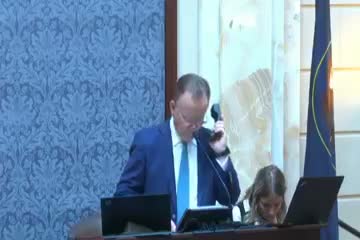
Senator Harper, the bill sponsor, said the change was intended to soften the terminology and improve cooperation between property owners, municipalities and redevelopment agencies. "If you're on a fault line, if you have failing structure, things of that nature," Harper said, describing the conditions that will qualify as development impediments and adding that the change is a "terminology change from blight to development impediment." Harper said the bill also "forces almost everything into the non‑eminent domain track" and clarifies the use of tax increment for affordable housing.
Opponents raised significant concerns about the effect of the changes on property‑owner protections and the scope for eminent‑domain use. Senator Hilliard said he had "deep reservations about the right to condemn," and warned that changing the terminology could make it easier for governments or agencies to condemn property for economic development. Senator Davis pressed the sponsor on a drafting change that now reads a municipal legislative body's determination of value is "presumed valid," noting that under the revised language an individual would need to challenge a municipality's determination in court, which could shift the burden onto property owners to hire counsel.
Other senators raised similar concerns that recasting the statutory standard could narrow what had been a broader, area‑based finding of blight into a checklist of conditions that might be applied to individual properties. Senator Eby said the new definition risked turning "a neighborhood old house that everybody has built around" into an "impediment to progress," and said she would vote no.
Senator Harper responded that prior iterations of redevelopment law had tightened eminent‑domain authority and that the bill removes the taxing‑entity bottleneck, clarifies permissible uses of tax increment and aims to encourage cooperative remediation rather than adversarial condemnation. "It's not designed to take out a single home or property," Harper said, adding that the process still requires multiple findings and agreement among involved entities before a project can proceed.
The Senate passed the bill on a roll call vote: 15 yeas, 7 nays, 7 absent. The bill will be returned to the House for further consideration.
What comes next: According to sponsors, the bill puts more procedural requirements and public notice into the statute; opponents said they will watch whether the practical effect alters how local redevelopment agencies identify and address properties in project areas.