Get Full Government Meeting Transcripts, Videos, & Alerts Forever!
Get email alerts on the Constitutional Amendment topic
No spam. Unsubscribe anytime.
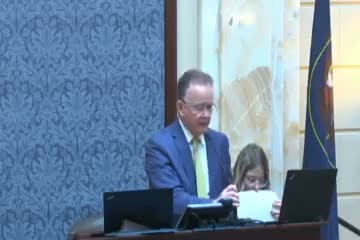
Utah Senate approves measure to send constitutional removal of slavery language to ballot
Summary
The Utah Senate voted to send First Substitute House Joint Resolution 8 to the ballot, removing language on involuntary servitude from the state constitution while preserving criminal‑justice community‑service programs, passing 26–0 with 3 absent.
The Utah Senate on March 13 approved First Substitute House Joint Resolution 8, sending a proposed constitutional amendment to the ballot that would remove a clause permitting involuntary servitude from the state constitution.
“House Joint Resolution 8 is the one that is going to put a ballot measure on to remove the slavery component that was incorporated in our Utah constitution,” sponsor Senator Andragg said, adding the resolution includes wording to ensure it would not affect community‑service programs tied to the criminal‑justice system.
Senator Wyler asked whether passage of the amendment would affect Senate interns, a question the sponsor acknowledged but did not fully resolve on the floor; discussion remained focused on the resolution’s language and protections. The chamber placed the measure on third reading and then approved it on a roll‑call vote, 26‑0, with three senators absent. The resolution will now return to the House for further consideration as required by the legislative process.
Why it matters: Supporters said the measure removes antiquated language copied into the state text and clarifies that existing criminal‑justice practices tied to community service would remain intact. Opponents did not mount a floor challenge during the Senate debate; one procedural question about interns was raised but not taken as a basis to block the measure.
Next steps: Having passed the Senate, the resolution will proceed back to the House as the two chambers reconcile procedural requirements before a ballot referral can occur.