Get Full Government Meeting Transcripts, Videos, & Alerts Forever!
Get email alerts on the Land Use topic
No spam. Unsubscribe anytime.
Senate passes bill defining critical infrastructure material zones after amendments to protect local input and set vesting dates
Summary
The Senate passed second substitute House Bill 288 after floor amendments clarified scope, added a vesting cutoff and preserved local legislative and referendum authority; debate focused on gravel-pit operations, dust/emissions from trucking, and economic impacts of relocating aggregate sources.
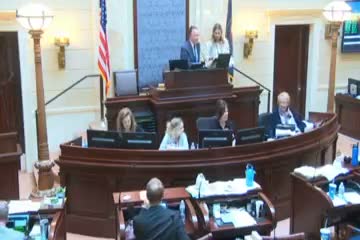
The Utah Senate on March 11 passed second substitute House Bill 288, a bill that creates definitions and protections for "critical infrastructure material protection zones" and sets limits on expansion rights for existing aggregate operations.
Senator Hankins, the floor sponsor, said the measure aims to protect safety and operations tied to critical aggregate sites while allowing oversight. "The EPA has asked for a little bit more rulemaking and guidance regarding some of our landfills and the landfill regulation," a sponsor (Senator Grover) said earlier in committee context, and supporters framed HB 288 as clarifying how local and state agencies coordinate on material sites.
The bill drew extended debate over the balance between private property (vested rights) and local control. Senator Bramble moved an amendment (Amendment 5) to correct technical language and preserve committee intent; Senator Wyler then offered an amendment (Amendment 6) to set a firm vesting cutoff date (moved from a February date to January 1 in floor debate) to reduce the risk that publicity around the bill would "game the system." "I'm concerned that because of the publicity of this and the 60 days that exist from today until this bill goes into effect, that the very existence of this bill granting vesting rights might change the behavior of individuals who might be trying to game the system," Wyler said.
Opponents and some supporters pressed practical impacts. Senator Andrick described trade-offs for cities coping with dust and transportation costs: forcing relocation of gravel operations could ‘‘increase the cost, for that project $97,000,000’’ on a cited example and raised concerns about PM2.5 emissions from increased trucking. Senator Fillmore and others said successive amendments addressed many concerns raised in committee and on the floor.
The final bill preserves local ability to act and keeps decisions subject to legislative or referendum remedies in certain cases, sponsors said. After amendments passed, the Senate approved HB 288 by roll call (22 yeas, 5 nays, 2 absent). The bill will be returned to the House for further consideration.
What’s next: The House will receive the amended bill and may accept the floor changes, recede, or request a conference committee. The Senate record shows the bill received floor amendments intended to narrow expansion rights while protecting preexisting operations.