Get Full Government Meeting Transcripts, Videos, & Alerts Forever!
Get email alerts on the Public Safety Pensions topic
No spam. Unsubscribe anytime.
Utah Senate approves Tier 2 public-safety retirement boost after heated funding debate
Summary
The Utah Senate on Feb. 25 approved first substitute Senate Bill 129 to increase certain Tier 2 retirement benefits for public-safety employees and firefighters; sponsors said the change carries a $5.3 million one-time cost and $3 million ongoing and prompted debate over whether the state is assuming local costs.
The Utah State Senate approved first substitute Senate Bill 129 on Feb. 25, a measure to enhance Tier 2 retirement benefits for public-safety personnel and firefighters that sponsors said will be paid with a mix of one-time and ongoing state funds.
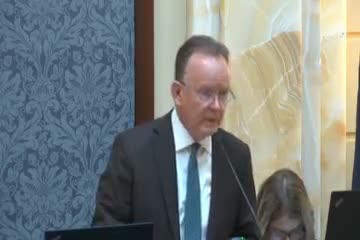
Senator Harper, sponsor of the bill, told colleagues the measure includes "an appropriation at the end of the bill of $5,300,000 out of the general fund for a 1 time to cover the first year cost," and that ongoing costs of about $3,000,000 would come from growth in the admitted insured premium tax and liquor-control fund revenues.
The bill drew extended debate focused on fiscal responsibility and whether the state was displacing local government responsibility for pensions. Senator Fillmore offered a substitute intended to change the funding ramp and said the sponsor's explanation effectively meant "this is being paid for out of our general fund," raising concern that the state would assume municipal costs.
Sponsors argued the bill included an identified funding mechanism. "That is correct because we're identifying a separate funding source to take care of this outside of the other program we have set up to address the unfunded liability," Harper said when asked whether the measure would increase the state's unfunded liability.
Opponents warned the change could create long-term fiscal pressure. Senator Reby, explaining her no vote, said she worried the state was allowing localities to avoid paying their own priorities and that the bill, as drafted, did not do enough to ensure retention of public-safety personnel over time: "I'm voting no," she said, explaining the workforce and retention concerns that informed her choice.
Other senators supported the substitute as a pragmatic step to "buy time" for cities and counties to plan for full costs. Senator Wyler and others noted the underlying problem is low salaries and asked for a longer-term solution that could include employee contributions or local pay adjustments.
After debate and a substitute motion, the Senate passed the first substitute by roll call, 27 yeas to 2 nays; the measure will be transmitted to the House for its consideration.
The action represents a state-level intervention in an issue that affects municipal budgets, and sponsors and critics said the fiscal and policy dialogue would continue as the bill moves to the House.