Get Full Government Meeting Transcripts, Videos, & Alerts Forever!
Get email alerts on the Autonomous Vehicles topic
No spam. Unsubscribe anytime.
Senate Advances Bill Allowing Autonomous‑vehicle Testing; Sponsors Say It Will Spur Innovation
Summary
The Senate moved first substitute House Bill 101 to third reading after sponsors told the chamber it will permit limited testing of autonomous vehicles on Utah roads, require insurance and crash reporting, and is intended to keep Utah competitive for tech investment.
The Utah Senate voted to advance first substitute House Bill 101, a measure sponsors said would allow limited testing of autonomous vehicles and establish baseline safety rules, including insurance, fallback‑to‑driver requirements and crash‑reporting provisions.
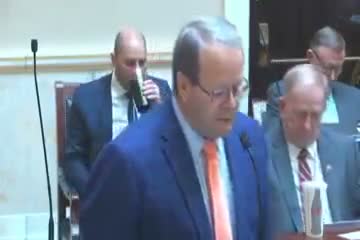
Senator Buxton, the bill sponsor, framed the bill as a measured step to allow testing of more advanced automated systems while keeping regulators prepared. "This bill will allow us to now start testing and driving autonomous vehicles on the road," he said on the floor, describing the measure as the start of a multi‑year policy path.
Lawmakers asked about one provision that exempts an engaged automated driving system from licensure during testing. Senator Henderson asked the sponsor to explain why some vehicles would be temporarily exempted from standard licensure; Buxton said the exemption is intended to simplify limited testing at early stages and that licensing would be revisited as the technology becomes more common.
Other senators pressed about how Utah would compare to other states and whether the bill would attract private investment. Buxton said state leaders had studied other jurisdictions and sought to avoid regulatory barriers that could stifle testing and investment.
The Senate recorded 23 yea votes, 0 nay votes and 6 absences on the motion to advance the first substitute bill to third reading; the sponsor said further regulatory work and oversight would follow as testing begins.
What’s next: House Bill 101 will appear on the third‑reading calendar for final floor action; sponsors indicated they may return with technical amendments as real‑world testing raises additional issues such as licensure, safety rules and insurance oversight.