Get Full Government Meeting Transcripts, Videos, & Alerts Forever!
Get email alerts on the Bill Introductions topic
No spam. Unsubscribe anytime.
Senate clerks read dozens of bills on first reading; items placed for later review
Summary
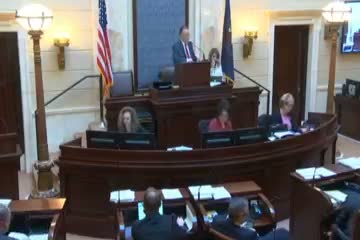
During the Jan. 28 organizational session clerks read many bills and resolutions for first time (SB 18–SB 100 and multiple concurrent/joint resolutions); presiding officers told senators the bills would be placed on the second‑reading calendar for review and later referred to Rules Committee per the record.
Salt Lake City — As part of the Senate's organized session on Jan. 28, clerks read a large set of bills and resolutions for first reading. The list included committee and senator-sponsored items spanning reauthorizations, budget-related measures and policy proposals (examples read aloud included SB 18 through SB 100, multiple SJR and SCR measures and other items).
Presiding officers told senators that committee bills were being placed directly on the second-reading calendar so members could review them during lunch. Later in the session, presiding remarks in the transcript also state that bills read for the first time "will be referred to the Rules Committee." The clerk's reading included bills on topics such as sunset reauthorizations for environmental and health statutes, budget amendments for public education and several policy-specific proposals ranging from Medicaid adjustments to transportation governance and affordable housing changes.
The transcript records the titles and sponsors as read for the record (for example: SB 18, "sunset reauthorization commission for the stewardship of public lands," Senator Grover; SB 29, "health care malpractice act, sunset extension," Senator Christiansen; SB 96, "Medicaid expansion adjustments," Senator Christiansen; SB 100, "electronic driver licenses," Senator Fillmore). The items read were placed on the Senate calendar for subsequent committee assignment and second-reading consideration; no floor debate of the bills occurred during the reading.