Get Full Government Meeting Transcripts, Videos, & Alerts Forever!
Get email alerts on the Annexation Service Districts topic
No spam. Unsubscribe anytime.
Utah Senate approves bill to sync service-district transfers with annexations to reduce temporary double taxation
Summary
The Utah Senate approved Sen. Fillmore’s bill to allow special service-district transitions to occur at the time of municipal annexation, which sponsors say prevents months of double taxation without changing bond obligations; the measure passed on a roll call.
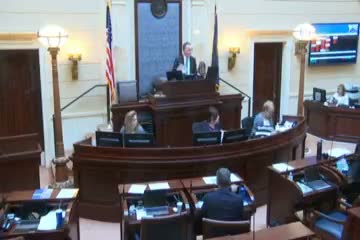
The Utah Senate on the floor debated and approved Senate Bill 60 on aligning service-district transfers with municipal annexations, a sponsor-led measure intended to prevent short-term double taxation for newly annexed properties.
Sen. Fillmore, sponsor of the bill, told colleagues that the bill “allow[s] for the transition of those service districts at the same time that the annexation occurs” so residents do not temporarily pay taxes to districts that no longer provide their services. He said the change moves an administrative transfer earlier in the process and does not alter the ultimate legal responsibility for bonds or the long-term fiscal structure of districts.
Sen. Davis and several other senators pressed the sponsor about implications for existing district bonds and whether remaining taxpayers would be left holding increased shares of bonded debt after annexations. Fillmore responded that current truth-in-taxation rules and the feasibility studies that accompany annexations already address revenue needs and that the bill merely shortens the interim period when double taxation can occur. “All of those questions are answered through the study that leads to the annexation itself,” he said.
Sen. Winterton raised concerns about holding the existing district harmless and whether memoranda of understanding or other protections would be required when new districts or municipalities assume responsibility. The sponsor reiterated the bill’s intent to prompt the feasibility study to include district-transfer data so the transition can occur immediately with the annexation rather than after an additional study period.
After discussion, Sen. Fillmore moved SB60 for third reading and the Senate adopted the motion and held a roll-call vote. The Senate recorded 21 yeas, 3 nays and 5 absences; the president announced SB60 "shall be read for a third time." The motion was placed and the bill advanced to third-reading action per chamber procedures.
The Senate’s action changes the timing of administrative transfers between service districts and municipalities but, according to the sponsor, does not change the law governing bonding obligations or the revenue calculations that support existing debt.