Lifetime Citizen Portal Access — AI Briefings, Alerts & Unlimited Follows
Senate passes measure raising penalties for disrupting official meetings after floor debate on free-speech limits
Loading...
Summary
Third substitute Senate Bill 173, which increases penalties for repeated disruptions of official meetings, passed after extended floor debate over scope and potential effects on legislators’ town halls and constituents’ free-speech rights.
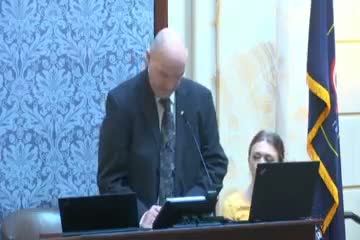
The Utah Senate passed third substitute Senate Bill 173, a measure that raises penalties for repeat disruptions at official meetings, after extended floor discussion about scope and civil-liberties implications.
Sponsor Senator Ibsen said the substitute "takes the first offense from a class C misdemeanor and moves it to a third offense and beyond to a class A misdemeanor," explaining the change is intended to create greater civility in public meetings and escalate penalties for repeated disorderly conduct. The sponsor told colleagues the provision clarifies who the statute protects and said the bill seeks to cover state entities and meetings conducted in an official legislative capacity.
During floor questions, Senator Davis asked how the bill would affect town halls and a citizen's right to free speech. Senator Ibsen responded that citizens retain "every right in the world to free speech" but noted that the bill applies when speech crosses into disorderly conduct that disrupts official proceedings and that meeting chairs may gavel down or ask disruptive attendees to leave.
Senator Reedy urged consideration of designated spaces or permit processes for peaceful protest, noting that providing a conduit for dissent outside the formal meeting room could respect both orderly procedures and citizens' right to express disagreement.
After debate and clarifying exchanges about scope and applicability, the third substitute for SB 173 passed the Senate by roll call, 25–0 with four absent, and will be sent to the House for consideration.
The record shows the floor considered the bill’s goal as restoring order in meetings while several senators sought assurances the change would not unduly restrict speech at legislator-run town halls. The bill’s sponsor repeatedly framed the measure as targeting disorderly conduct rather than lawful speech.
Next step: SB 173 will move to the House for their consideration; any implementation questions about enforcement and designated protest spaces would likely arise in subsequent committee or local-government discussions.