Get Full Government Meeting Transcripts, Videos, & Alerts Forever!
Get email alerts on the Consumer Warning Labels topic
No spam. Unsubscribe anytime.
Senate OKs warning-labels for pornographic material after floor debate over enforcement and costs
Summary
The Utah Senate passed a measure extending consumer-style warning labels to pornographic and obscene materials after floor debate over enforcement costs and constitutional concerns; sponsor Senator Wyler said the bill does not ban content, while critics pressed for enforcement clarity and questioned the fiscal note.
The Utah Senate passed the second substitute of House Bill 243 on the floor after a debate that focused on enforcement logistics and the cost of investigating complaints.
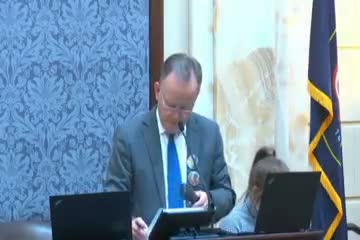
Senator Todd Wyler, the bill sponsor, told colleagues the measure would extend consumer-style warning labels—similar to choking-hazard or parental advisory notices—to pornographic and obscene materials. "I don't know why anyone would object to warning people before they see obscene material," Wyler said during floor remarks. He framed the bill as a consumer-notice change, not a content prohibition.
Senator Karen Riebe questioned the bill's fiscal note, saying the indicated $50,000 seemed low given potential investigative burdens. "How are we going to determine, investigate this? And is it going to cost $50,000 to do that investigation?" she asked, citing an earlier incident involving the UEN educational network that led to a significant response while staff tried to replicate a reported problem.
Wyler responded that the bill anticipates enforcement actions could be funded in part by damages awarded in lawsuits: "If there are any lawsuits filed...a portion of those damages would go into a fund." He also disputed descriptions that the earlier UEN incident could not be replicated, saying he personally reviewed material and called reports that it did not exist "a fabrication."
Senator Jason Thatcher raised whether the bill amounted to a ban or infringed First Amendment rights; Wyler said no. After additional examination of the language, Thatcher said she had changed her position and would support the bill, noting the measure requires only a notice ahead of content and does not prohibit creation or viewing.
The Senate held a roll-call on the second substitute. Senators recorded a large majority of "aye" votes and the bill passed. The president ordered the bill signed and returned to the House for the Speaker's signature and further consideration.
The floor debate left open operational questions about which state office would handle investigations and how the legislature arrived at the fiscal estimate; sponsors pointed to potential collections from litigation awards and to existing enforcement structures but did not identify a named enforcement agency on the floor. The bill's supporters said the measure is limited to labeling, not content prohibition, and stressed its consumer-notice intent.
The next procedural step is transmittal back to the House for the Speaker's signature and any further action there.