Get Full Government Meeting Transcripts, Videos, & Alerts Forever!
Get email alerts on the Disability Services topic
No spam. Unsubscribe anytime.
Senate advances Medicaid 'limited support services' waiver bill aimed at serving more people on disability waiting list
Summary
First substitute SB44 authorizes a limited‑support Medicaid waiver to provide partial services to people on the disability services waiting list; sponsors say about 3,600 are waiting and the fiscal note is roughly $4.5 million. The Senate read the bill for a third time, 29–0.
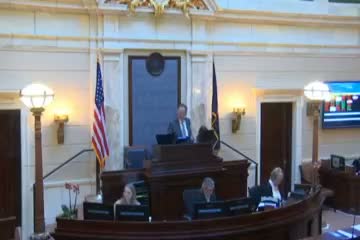
Sen. Hemmert presented first substitute Senate Bill 44 to authorize a 'limited support services' option under Medicaid, allowing individuals on the disability services waiting list to receive selected services when funding does not permit full services for everyone.
Hemmert said the change requires a federal waiver from the U.S. Department of Health and Human Services; similar limited‑support waivers have been granted to other states. He told the Senate there are about 3,600 people on Utah’s disability services waiting list, more than 700 of whom have been waiting 10 years or longer. The sponsor estimated the statutory change and associated fiscal note could allow roughly 900 additional individuals or families to receive services if funding becomes available.
Sen. Okerlund asked about the waiver timeline and process; the sponsor and staff explained the Department of Health would prepare and submit the waiver to HHS, and they expected an approval window measured in months based on prior experience. Sen. Christiansen noted the legislation will create two distinct waiting lists—one for the full suite of services and one for limited support services—and cited a fiscal note of about $4.5 million.
Supporters said the bill does not take existing services away from current recipients but creates an additional option to extend assistance to more people on the list. After discussion, the Senate voted to read the first substitute for SB44 a third time; the roll call was 29 yea, 0 nay. The bill moves forward for further consideration consistent with the normal legislative calendar.
Next steps include any required federal waiver application by the Department of Health and follow‑through on the fiscal appropriation process during the session.