Get Full Government Meeting Transcripts, Videos, & Alerts Forever!
Get email alerts on the Education Funding topic
No spam. Unsubscribe anytime.
Senate approves $500 educator tax credit after debate over funding and local control
Summary
The Utah Senate passed a third substitute to Senate Bill 69, creating a tax credit of up to $500 per year for eligible educators’ out-of-pocket classroom expenses. Supporters framed it as direct relief for teachers; opponents warned it could divert state education funding and expand legislative oversight of schools.
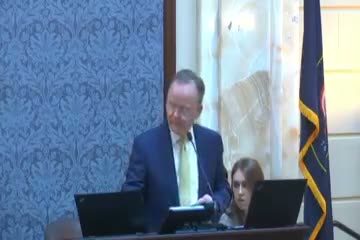
Senator Andrick introduced the third substitute to Senate Bill 69, a refundable tax credit that would let eligible educators claim up to $500 a year for in-classroom supplies and materials. "It puts money right into the pockets of teachers," Senator Andrick said, arguing the measure bypasses administrative barriers that keep funds from reaching classrooms.
The floor debate focused on funding and whether the Legislature should make programmatic decisions that local districts normally handle. Senator Hilliard said the bill was not prioritized in appropriations and raised concerns about the Legislature becoming a "super school board," explaining his no vote on principle: "We give them the money. We can dictate that they'll take half the money and reduce class size. We can become that super school board." Senator Milner urged stronger regular appropriations to fund classroom materials rather than relying on tax credits that may send the wrong signal: "I think it's our responsibility ... to make sure that we amply fund school supplies through our regular appropriations process." Senator Grover said he favored directing funds into the WPU rather than a credit that could strip dollars from districts.
Supporters countered that the education community backs the credit; Senator Andrick cited the Utah Education Association, the chamber and other groups, and referenced a large state surplus as a rationale for considering one-time relief. Teacher and senator Reby, speaking from her experience, described classroom needs and the impact of out-of-pocket spending on students and staff.
Senators also debated the bill's fiscal documentation: the sponsor indicated a positive fiscal note and that the Legislative Fiscal Analyst had released it, while other senators said they did not see a fiscal note in their committee record, noting a need for clarity on funding sources and amounts.
After explanations of vote from several members, the Senate recorded the measure as passed on third reading and ordered it transmitted to the House for consideration. The bill’s adoption in the House will determine final enactment and any implementing details.
What happens next: SB 69 is sent to the Utah House of Representatives for further consideration; appropriations and implementational details will be resolved there.