Get Full Government Meeting Transcripts, Videos, & Alerts Forever!
Utah Senate adopts a package of COVID-19–era measures, clears election and tax changes
Summary
The Utah Senate, meeting in a blended special session on Aug. 20, 2020, passed a slate of bills addressing COVID-19 impacts: changes to reporting deadlines, tax-increment extensions for redevelopment, a regulatory pause for certain industries, exemption of some federal COVID relief from state income tax, health-department appointment rules, election-process changes, and law-enforcement tuition reimbursement.
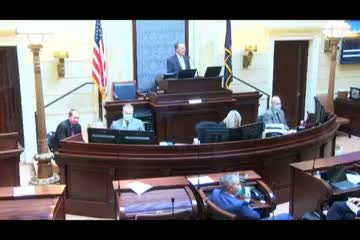
SALT LAKE CITY — The Utah Senate convened in its sixth special session on Aug. 20 and, working under suspended rules for an electronic meeting, passed a package of measures aimed at responding to disruptions caused by the COVID-19 pandemic.
The session opened with a joint proclamation listing topics for consideration, and senators moved quickly to adopt procedural rules allowing bills to be considered electronically and to suspend the constitutional three-reading requirement for the session so measures could be passed immediately.
Several bills that the Senate passed and sent to the House addressed pandemic-related administrative and policy issues. Senator Michael Bramble, sponsor of Senate Bill 6002, said the measure merely moves the consolidated annual financial report due date from Dec. 1 to Dec. 31 to align statutory timing with agency practice. "That's all it does," Bramble said on the floor.
Senator Mike Harper carried multiple bills. A first substitute for Senate Bill 6001 narrows changes to community reinvestment agency law so the measure focuses on an optional, up-to-two-year extension of tax-increment collection for redevelopment project areas that can show they were negatively impacted by the pandemic; Harper said the bill "does not take away any money" from taxing entities and preserves existing budget and cap rules. Senators questioned whether the change would reduce funding for schools; Harper and others responded that existing interlocal agreements and taxing-entity plans remain in place.
Senate Bill 6003, carried by Senator Mike Maine, restores and clarifies a 2017 law enforcement tuition-reimbursement program. Maine described the bill as a fulfillment of a prior promise to officers and said the program reimburses qualifying educational…
Already have an account? Log in
Subscribe to keep reading
Unlock the rest of this article — and every article on Citizen Portal.
- Unlimited articles
- AI-powered breakdowns of topics, speakers, decisions, and budgets
- Instant alerts when your location has a new meeting
- Follow topics and more locations
- 1,000 AI Insights / month, plus AI Chat