Get Full Government Meeting Transcripts, Videos, & Alerts Forever!
Get email alerts on the Legislative Activity topic
No spam. Unsubscribe anytime.
Votes at a glance: dozens of bills passed and sent back to House on March 5 session
Summary
Senators passed a slate of concurrence and second-reading items — including bills on agriculture, education, transportation, animal confinement, and business property tax exemptions — and circled or returned several items; this roundup lists outcomes and sponsors.
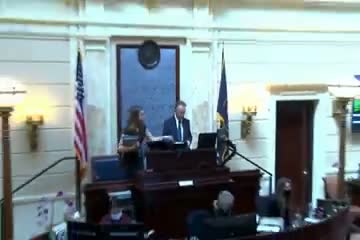
SALT LAKE CITY — The Utah Senate on March 5 moved dozens of bills through concurrence and second-reading calendars, approving many and returning them to the House for signatures. Lawmakers handled a mix of technical cleanups, policy changes and omnibus amendments.
Notable actions and outcomes:
- HJR 17 (procedural clarifications): Passed and returned to the House (sponsor: Buxton). - HB 77 (aviation liability — fourth substitute): Substituted and passed; clarifies liability-insurance requirements for operable fixed-wing aircraft (sponsor: Harper). - HB 375 (agriculture amendments): Passed under suspension of the rules (sponsor: Bramble). - HB 319 (Emergency Volunteer Health Practitioners Act amendments): Passed; extends volunteer protections to national, state and local emergencies (sponsor: Wilson). - SB 147 (egg-laying hens confinement): Senate concurred with House amendments and passed (sponsor: Sandel). - SB 184 (education assessment/accountability third substitute): Passed and returned to the House (sponsor: Reby). - SB 18 (property-tax exemption fifth substitute): Passed following conference committee adoption; sponsors said it would clarify exclusions for business personal property and provide relief for small businesses (sponsor: Harper).
Many other concurrence items were read, explained briefly by sponsors, and approved by roll call; several bills were placed on calendars for second or third reading or were "circled" (set aside) to be considered later.
Because the calendar included numerous bills with routine or technical modifications, the Senate used suspension-of-the-rules procedures for many approvals. Full roll-call tallies are recorded in the Senate Journal and will accompany each bill as it moves to the House for final signatures.