Get Full Government Meeting Transcripts, Videos, & Alerts Forever!
Get email alerts on the Police Citizen Advisory Boards topic
No spam. Unsubscribe anytime.
Senate advances bill directing Public Safety to support voluntary citizen advisory boards for law enforcement
Summary
After a floor debate asking whether statutory direction was necessary, the Senate advanced SB157 (citizen advisory boards) to third reading with a 16–7–6 roll call; sponsor said the measure signals legislative support and provides best-practice resources without requiring boards.
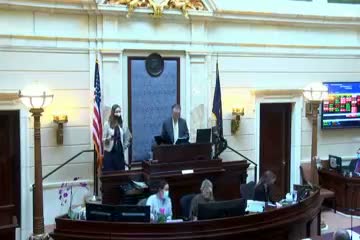
The Utah Senate on Feb. 16 advanced first substitute Senate Bill 157, which would direct the Department of Public Safety to assemble resources and best‑practice guidance for municipal and county law‑enforcement agencies that opt to establish citizen advisory boards.
Sponsor presentation and purpose
Senator Thatcher, sponsor of the measure, told colleagues the bill would not mandate advisory panels for any city or county but would put Department of Public Safety resources and templates in place so municipalities and counties that choose to create boards have guidance and support. The sponsor said the fiscal note indicates the department can administer the program within existing budgets, so no appropriation is required.
Floor debate and concerns
Senator Bramble questioned whether statutory direction is needed if the department could already provide that assistance under existing authority: “Why do we need a statute to tell them to do what it appears they already have the ability to do?” Senator Buxton said some local chiefs in his district had expressed opposition and urged caution, asking whether advisory boards would have the technical knowledge to evaluate policing operations. Supporters replied that Utah statute already prohibits advisory boards from exercising legislative power and that the bill is advisory by design.
Vote and disposition
The roll call recorded 16 yea, 7 nay, 6 absent; the Senate ordered the measure read for a third time (advanced to the third‑reading calendar).
Why it matters
The bill responds to community requests for formalized engagement between residents and law enforcement while preserving local control. On the floor, sponsors framed the statute as a way to show the Legislature is listening to impacted communities and law‑enforcement stakeholders while avoiding delegation of authority.
Next steps
SB157 was advanced to third reading; further committee or floor action could follow depending on amendments or scheduling.