Get Full Government Meeting Transcripts, Videos, & Alerts Forever!
Get email alerts on the Family Planning topic
No spam. Unsubscribe anytime.
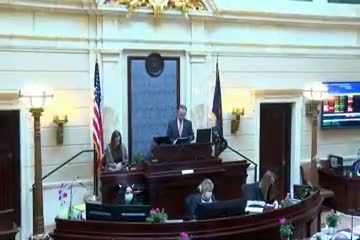
Senate debates family‑planning expansion; bill circled after concerns about minors and federal funding
Summary
Senate sponsor Sen. Derek Kitchen said first substitute SB 128 would expand family planning services to about 11,000 Utahns. Colleagues pressed that the draft lacks an '18 and over' restriction used in prior versions; sponsors said an age restriction could jeopardize federal approval. After extended debate, the Senate circled the bill for further negotiation.
Senator Derek Kitchen presented first substitute Senate Bill 128 on Feb. 12, 2021, describing it as a measure to expand family planning services under state law and to reach roughly 11,000 additional Utahns, with the largest impacts expected in several rural counties. The sponsor framed the bill as health policy intended to improve access to contraception and other family‑planning and reproductive health services and said the draft was prepared to comply with federal program rules.
On the floor several senators, including Senator Bramble and Senator Sandal, said they understood the public‑health intent but raised a specific policy objection: an amendment in last year’s version of the bill had restricted the program to those 18 and older, and that age restriction is not present in the current draft. Bramble warned that without the age language the measure could authorize services for minors, including contraceptive services for people well under 18, and said he could not support the bill without clarifying language. Senator Kitchen responded that staff had advised the sponsor the 18‑and‑over restriction would likely trigger a federal denial of funding and that Medicaid/waiver rules would prevent the program from being approved if too‑narrow age limits were imposed.
Other floor speakers urged caution and further discussion. Senator Riebe and others argued for recognizing that menstruation and related health needs start well before age 18 and cited practical access issues for young people, including period supplies and medical uses of hormonal therapy. Senator Sandoval and additional senators said they supported the idea of the policy but could not support the bill in its present form without the age limitation.
Result: The Senate voted to circle SB 128 — a procedural move sending the bill back for further study and negotiations over the weekend — rather than proceed to a final vote. Sponsors asked colleagues to consult with stakeholders and women in their communities and expressed willingness to seek a compromise.
What’s next: The sponsor said he will continue discussions with colleagues to find acceptable statutory language that balances federal funding constraints with members’ concerns about services for minors and parental consent.