Get Full Government Meeting Transcripts, Videos, & Alerts Forever!
Get email alerts on the Family Planning Medicaid topic
No spam. Unsubscribe anytime.
Senate approves expansion of Medicaid family‑planning eligibility after heated debate
Summary
The Utah Senate passed first substitute Senate Bill 128 to expand Medicaid family‑planning services to individuals up to 250% of the federal poverty level, a change sponsors say will extend services to about 11,000 women. The measure drew sustained floor debate over parental involvement and its fiscal impact before passing.
The Utah Senate on Feb. 16 passed first substitute Senate Bill 128, a measure that expands Medicaid eligibility for family‑planning services to households at or below 250% of the federal poverty level, a change the sponsor said would extend full access to about 11,000 Utah women. Senator Luz Escamilla and other supporters characterized the change as an expansion of an existing, voluntary Title 10 program rather than creation of a new program.
Sponsor Senator Kitchen said the services are largely established in Medicaid and the amendment merely increases the income threshold. "All existing family planning services have proven to be budget neutral and cost saving," Kitchen said, adding an estimate that "for every $1 spent on family planning services, we save $7 in the long run." She framed the bill as addressing broader medical needs — including endometriosis and other non‑pregnancy conditions — and as a public‑health measure intended to improve access in rural areas.
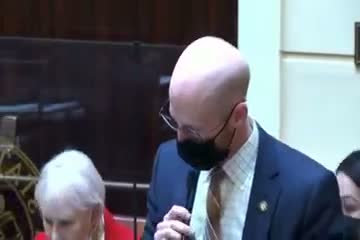
Opponents focused on two main concerns: parental involvement for minors and the bill's fiscal note. Senator Bramble argued the language could allow minors to obtain services without parental approval and said he was troubled by an "800 and some thousand dollar" fiscal note reported in debate, urging caution given the state budget context. "My concern is that this would allow a minor child against the will of their parents to get family planning services," Bramble said on the floor.
Senator Escamilla pushed back that the program serves medical conditions and that most youth participation is small in absolute numbers; he urged colleagues not to conflate family planning with abortion policy on the floor. Several other senators, including medical professionals and senior members, spoke in favor, noting that some contraceptive and reproductive health services are already available through clinics and pharmacies but that the bill would expand access to clinic‑based services such as IUDs and diagnostics.
After floor amendments and extended debate, the Senate recorded a roll‑call vote: first substitute SB 128 passed the Senate (the official roll call in the transcript shows the bill "having received 18 yay votes, 9 nay votes, 2 being absent"). The bill will be transmitted to the House for further consideration.
The measure, as discussed on the floor, relies on Medicaid rules and would require a waiver or administrative steps for implementation; the transcript records references to Title 10 and existing Medicaid program structure but does not provide the waiver timetable. The exact fiscal note figure was described in debate but not specified precisely in the transcript.
Next steps: The bill will be sent to the House for its consideration. Any administrative implementation would follow normal Medicaid waiver or department rulemaking processes.