Get Full Government Meeting Transcripts, Videos, & Alerts Forever!
Get email alerts on the Employment Vaccination topic
No spam. Unsubscribe anytime.
Senate advances substitute narrowing employee medical‑procedure bill to vaccines amid heated Q&A
Summary
Senators debated a first substitute to SB 208 that limits the Employee Medical Procedure Protection Act to vaccines and excludes masks and drug screens. Sponsor Senator Kennedy said the bill protects employee medical autonomy; opponents questioned conflicts with federal travel and employer requirements. The chamber voted to read the substitute for third reading, 17–11.
A contentious floor exchange over employer vaccination rules dominated late business as the Utah Senate considered a first substitute to Senate Bill 208, the Employee Medical Procedure Protection Act.
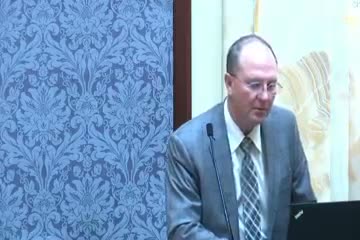
Sponsor Senator Michael Kennedy said the substitute strips non‑vaccine items (masks, drug screens and certain evaluations) and narrows the bill to vaccines, arguing it protects employees from having medical procedures mandated by employers. "Who is in charge of what goes in your body?" Kennedy asked on the floor, framing the bill around employee autonomy and the unequal power dynamic between employers and employees.
Several senators pressed the sponsor on practical and legal implications. Senator Bramble asked whether evolving job duties or travel requirements could create conflicts with federal or foreign vaccination rules; Bramble said an employer could be placed in an impossible position if, after hire, a federal or international travel requirement made vaccination necessary for a position. Kennedy said those circumstances require continued stakeholder negotiation and acknowledged the substitute does not yet mirror ADA reasonable‑accommodation language sought by some business groups.
Senator Vickers and others asked whether small home‑based employers or large national employers (for example an airline) would be covered; Kennedy confirmed the substitute would apply broadly to public and private employers. Kennedy said he had been working with stakeholders and would seek additional changes between second and third reading.
The Senate voted on the motion to read the first substitute a third time; the roll call recorded 17 yeas, 11 nays and 1 absent, moving the substitute forward for additional consideration.
Floor discussion focused on employer exemptions, reasonable accommodations and the possible need to align state law with federal travel or federal employer requirements; sponsors said they remain open to amendments as the bill proceeds.