Get Full Government Meeting Transcripts, Videos, & Alerts Forever!
Get email alerts on the Mental Health topic
No spam. Unsubscribe anytime.
Senate approves substitute to prepare Utah for 988 mental‑health lifeline
Summary
The Utah Senate approved a substitute to Senate Bill 155 to prepare the state for the 988 behavioral‑health lifeline, adding temporary members to an existing commission and directing implementation work; sponsors said the change aims to reduce criminalization of behavioral‑health crises. The measure passed 25–0 and will go to the House.
The Utah Senate on the floor advanced a policy package aimed at preparing the state to receive and operate the national 988 mental‑health lifeline.
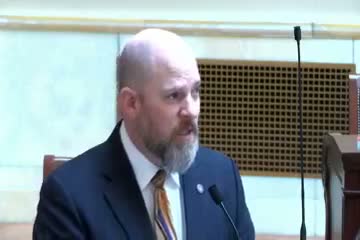
Sponsor Senator Thatcher said the substitute to Senate Bill 155 adds temporary members to an existing commission and coordinates planning so Utah is ready when 988 launches. "When someone is experiencing a mental health crisis, they often turn to 911," Thatcher said, arguing 988 would direct callers to crisis centers trained in behavioral health and reduce reliance on police and emergency transport.
Thatcher described the expected outcomes in stark terms: "If instead of calling 911...they could call a crisis call center that specifically deals with behavioral health, the success rate in stabilization is 90 percent," he said, adding that that could mean fewer arrests, emergency‑room visits and long‑term criminal‑justice costs.
Several senators spoke in support. Senator Wilson recounted recent local losses and said the bill addresses a pressing need for crisis resources. Senator Escamilla and others praised sponsor work to coordinate stakeholders and PSAPs (public safety answering points) and said the substitute reflected compromise with those partners.
The Senate voted on the second substitute and Senate Bill 155 passed with 25 yeas, 0 nays and 4 absent. The bill will be sent to the Utah House of Representatives for further consideration.
Implementation details and next steps identified during floor discussion included adding temporary commission members for two years to help oversee the rollout and clarifying interactions with existing emergency dispatch systems. Sponsors said further technical implementation recommendations will follow in committee and agency rulemaking.
The Senate record shows the motion to substitute and the final passage were recorded and the bill will be returned to the House for concurrence and any further action there.