Get Full Government Meeting Transcripts, Videos, & Alerts Forever!
Get email alerts on the Reproductive Health Policy topic
No spam. Unsubscribe anytime.
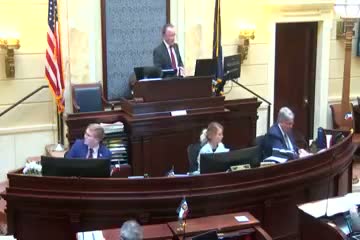
Utah Senate passes House Bill 467 after heated floor debate over age and medical exceptions
Summary
After extended floor debate and failed amendments, the Utah Senate voted to pass Second Substitute House Bill 467, which sponsors said balances protections for the unborn with medical safeguards; the measure passed 22‑6 with one absent and will return to the House.
SALT LAKE CITY — The Utah Senate passed Second Substitute House Bill 467 late in floor session after an hour of debate over age thresholds and medical exceptions.
Sponsor Senator McKay opened debate by saying medical providers had offered extensive input and the bill seeks to "protect the innocent and protect the health of the mother." He moved that the bill, as amended on the floor, pass under suspension of the rules.
Senator Riebe proposed an amendment to change an age carve‑out — asking the Senate to treat 15‑year‑olds differently from those under 14 — arguing that 15‑year‑olds who become pregnant are still minors and often lack the independence to escape unsafe situations. "I'm asking for a carve out for 15 year olds because they're children... a person who's pregnant needs to have the ability to advocate for themselves," Riebe said.
Sponsor McKay and other supporters disputed raising the age, saying the committee had debated the age extensively and had settled on 14 in line with Utah's age‑of‑consent law. McKay told colleagues that changing the standard to 16 would create enforcement and consent problems, and he described the committee compromise as appropriate for the state.
Senator Plumb offered a separate amendment to add a medical‑risk exception for serious risks to a mother’s physical or mental health, citing World Health Organization guidance on mental‑health risks and teratogenic medications. McKay said that as written the exception would be difficult to define and enforce and recommended taking the issue to interim study.
Both amendments failed on the floor. The chamber then approved a technical amendment changing a definition (amendment 7) that the sponsor described as "friendly." On final passage under suspension of rules, the clerk announced the bill received 22 yea votes, 6 nay votes and 1 absent; the measure passed the Senate and will be returned to the House for further consideration.
The debate included repeated references to a prior "trigger ban" and work with medical providers; the sponsor framed the measure as an attempt to balance protections for unborn life with safe, medically informed care for women.
What happens next: The bill returns to the Utah House of Representatives for further consideration and any action there. There was no immediate indication in the Senate record that the House had accepted the floor amendments.