Get Full Government Meeting Transcripts, Videos, & Alerts Forever!
Get email alerts on the Tax Policy topic
No spam. Unsubscribe anytime.
Senate concurs with House changes to income-tax constitutional amendment; first substitute passes
Summary
First substitute Senate Joint Resolution 10, a proposal to amend the Utah Constitution to earmark income tax revenue for public education while allowing use of surplus revenue for other state needs after certain obligations are met, passed the Senate 22–6 and will return to the House.
The Utah Senate concurred in the House-substituted version of Senate Joint Resolution 10, a proposed constitutional amendment concerning the use of income tax revenue. Senator McKay, speaking for the sponsor side, said the substitute seeks to protect constitutional commitments to public education while allowing flexibility to use revenue for other state needs after accounting for enrollment growth and long-term inflation obligations.
McKay described the rationale on the floor: "Taking that income tax fund and using it exclusively for public education does create budgeting issues when there are large surpluses and other needs where we have deficiencies." The amendment is designed to preserve education protections while allowing excess revenue to be used for other state purposes once education funding obligations are met.
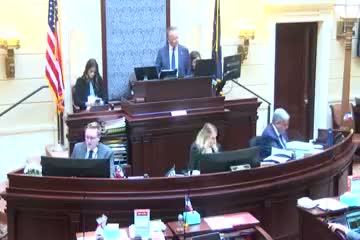
The Senate handled the measure under the concurrence calendar with procedural pauses while members were located to achieve a proper call for a roll-call vote. Once the vote proceeded, the clerk announced that the first substitute had "received 22 yay votes, 6 nay votes, 1 being absent," and the measure will be returned to the House for the speaker's signature.
Senators did not launch extended floor debate in the moments reported on the transcript; procedural discussion focused on ensuring a full and correct roll call. The resolution's passage in the Senate moves the proposed constitutional amendment forward in the legislative process; it still requires consideration in the House and potential placement on a ballot depending on constitutional procedure.