Get Full Government Meeting Transcripts, Videos, & Alerts Forever!
Get email alerts on the Senate Rules topic
No spam. Unsubscribe anytime.
Senate adopts rule change requiring bills on third reading to have fiscal notes; rule takes effect immediately
Summary
The Utah Senate approved a second substitute to Senate Resolution 4 to require that senate bills on the third-reading calendar remain held until a fiscal note is attached and clarified presiding-officer placement of new bills. The resolution passed on a roll call and takes effect immediately.
SALT LAKE CITY — The Utah Senate on the floor voted to adopt a change to its internal rules that requires senate bills on the third-reading calendar to remain circled (held) until a fiscal note is attached.
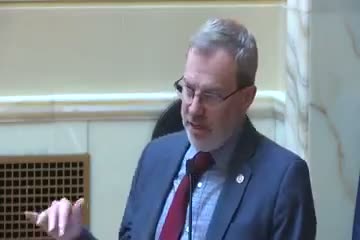
Senator Fillmore moved the substitution that became Second Substitute Senate Resolution 4 and said the changes align current practice with a clearer written rule. "It will require that the senate hold senate bills on the third reading calendar until they get a fiscal note," he said, explaining the practical effect for floor scheduling. He also said the amendment clarifies that the presiding officer will place new bills where they should go.
The presiding officer noted the rule's immediate effect and reminded members that "in all future committee hearings this session, make sure to have people turn on their video." After a brief procedural clarification on the phrasing of roll-call votes, the resolution passed on a roll call vote that the clerk recorded as 20 yea, 4 nay and 5 absent. The resolution will be sent to staff for enrolling.
The rule change centralizes fiscal-note requirements for bills advancing on the third-reading calendar and clarifies the presiding officer's authority to place bills on the calendar. The Senate's action does not itself change substantive law; it changes internal legislative procedure for handling fiscal information before final floor consideration.
The chamber moved on to other calendar business after the vote; staff will enroll the adopted resolution for the official record.