Get Full Government Meeting Transcripts, Videos, & Alerts Forever!
Get email alerts on the SB16 Transgender Treatment topic
No spam. Unsubscribe anytime.
Senate concurs with House changes to SB16 on transgender medical treatments after tense debate; sponsor predicts litigation
Summary
The Utah Senate voted 20–8 to concur with House amendments to fourth substitute SB16, shifting malpractice and consent standards and adding an immediate effective date; sponsor Senator Kennedy said the changes aim to protect children and families and warned the law is likely to be litigated.
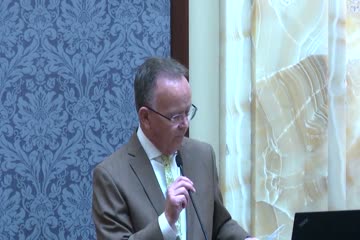
The Utah State Senate on Friday voted to concur with House amendments to fourth substitute Senate Bill 16, a measure that changes rules governing transgender medical treatments and procedures. Senator Kennedy, the sponsor, urged the body to accept the House’s changes, including an immediate effective date and revisions to the malpractice standard and consent requirements, and moved that the Senate concur. The motion carried 20–8 with one absence.
Supporters and opponents clashed over how the changes would affect patients, families and providers. Senator Kennedy said the House adopted an immediate effective date and altered the statute of limitations and malpractice standard, and that his aim, he said, was ‘‘to help children and families’’ while setting professional standards for providers. Kennedy told colleagues that the House’s revisions require providers to follow more exacting consent practices and impose a malpractice standard that, among other things, requires physical injury and treatment received after the bill’s effective date as elements of a claim.
Senator Plumb, who asked questions during debate, and Senator Escamilla both pressed the sponsor on practical impacts. Plumb questioned whether an immediate effective date could leave families and clinicians unprepared; Kennedy replied the governor controls the signing date and said the bill is not intended to interrupt ongoing care. Escamilla sought clarification about specific lines in the bill related to consent and malpractice and whether the changes would unduly burden medical providers; Kennedy reiterated safeguards including a requirement that malpractice plaintiffs demonstrate permanent physical injury and that consent be evaluated under a ‘‘totality of the circumstances’’ standard.
Several senators framed their votes in emotional terms. Senator Plumb described the deliberations as personally affecting and thanked the sponsor for what she characterized as sincere effort. Senator Escamilla and other Democrats expressed concern for families and said they would continue to seek clarity and mitigation of harmful impacts; Democratic senators recorded several ‘‘no’’ votes in the roll call. Kennedy acknowledged the likelihood of litigation, saying he ‘‘would bet every dollar’’ that legal challenges will follow, and urged the body that this outcome was not unexpected given the subject matter.
The Senate’s formal announcement recorded the vote as 20 yay, 8 nay and 1 absent. With concurrence, the bill will be returned to the House for the signature of the House speaker and then to the governor for possible signing and implementation. Supporters said the changes were intended to raise professional standards and protect minors, while opponents said the bill raises practical and ethical questions about consent and access to care. The Senate debate closed without amendment and with a motion to concur adopted.