Get Full Government Meeting Transcripts, Videos, & Alerts Forever!
Get email alerts on the Energy topic
No spam. Unsubscribe anytime.
Senate passes energy bill prioritizing dispatchable resources and a Utah wildfire fund amid heated debate
Summary
Senate Bill 224 directs regulators to prioritize dispatchable generation, authorizes a Utah‑only catastrophic wildfire fund and clarifies cost recovery for utilities; the measure produced extended floor debate over procurement effects, costs and long‑term planning before passing.
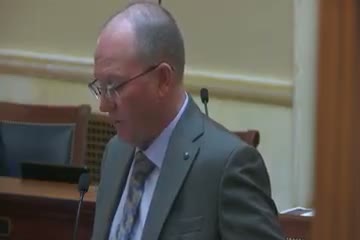
The Utah Senate voted to read Senate Bill 224 for a third time after an extended floor debate over the state’s energy direction. Sponsor Sen. Mark Bridal described the bill as safeguarding dispatchable resources and protecting reliability, saying lawmakers must ensure "when you flip the switch, the light turns on."
The bill directs the Public Service Commission to give direction on acquisition and prioritization of dispatchable generation and includes a provision to create a Utah‑only catastrophic wildfire fund to cover claims after utility insurance is exhausted. Bridal framed the package as supporting reliable, dispatchable resources and protecting Utah consumers and the state’s economic base.
Several senators raised questions. Sen. Bluhn cautioned that the fire fund and procurement direction could conflict with broader regional resource planning and that Pacificorp’s multi‑state operations complicate outcomes. Sen. Vickers and Sen. Riebe expressed concerns about cost shifting to consumers for federal‑mandated retirements and about how the bill would affect procurement and rate impacts.
Sponsor and supporters said the bill includes guardrails — annual wildfire mitigation plans and opportunities to accelerate bond payoffs — and that the intent is to support a balanced portfolio while protecting dispatchability. After a call of the Senate and final roll call, the bill was read a third time; the Senate reported 24 ayes, 1 nay and four absent.
The bill will proceed to the next legislative steps; floor debate indicated plans for a technical substitute to address drafting questions before final passage.