Get Full Government Meeting Transcripts, Videos, & Alerts Forever!
Get email alerts on the Environment Water topic
No spam. Unsubscribe anytime.
Senate advances plan to coordinate use of 'wet water years' for Great Salt Lake
Summary
First substitute SB 196 would direct the Great Salt Lake Commissioner to lead planning for 'wet water years' to optimize inflows to the lake; senators sought tighter definitions and assurances the plan balances agricultural, municipal and lake needs.
The Utah Senate moved first substitute Senate Bill 196 toward third reading after extended floor discussion about how the state should manage high‑runoff or "wet water years" to benefit the Great Salt Lake.
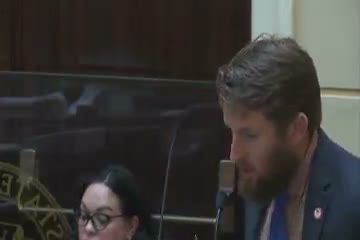
Sen. Mike Bluen (presenting) said the bill creates a coordinated planning process — drawing from water conservancy districts, the state engineer’s office, agricultural interests and others — to "optimize the amount of water that makes it into the Great Salt Lake during or following a wet water year." He emphasized the bill does not change water rights or grant new powers to the Great Salt Lake Commissioner.
Several senators pressed for more quantifiable language. Sen. Vickers asked whether the bill’s definition of a wet water year is sufficiently specific and whether the commissioner would prioritize the lake above other basin uses; Bluen and others said the intent is to create a stakeholder process that balances uses and that they would consider tightening definitions before third reading.
Sen. Wyler raised concerns about litigation risk and public expectations after recent high runoff events. The sponsor noted stakeholder involvement and said the plan is meant to ensure proactive coordination in wet years rather than unintended reallocation of water rights.
The Senate amended the bill on the floor (changing wording such as “maximize” to “optimize”), and ordered it to third reading with 16 ayes, 5 nays and 8 absent. Sponsor and questioners agreed to continue refining definitions and clarifying basin scope before final passage.