Get Full Government Meeting Transcripts, Videos, & Alerts Forever!
Get email alerts on the Administrative Rules topic
No spam. Unsubscribe anytime.
House debates scope of administrative rules reauthorization as Roberts cites 2,203 rules
Summary
Lawmakers questioned the reach of Senate Bill 67 (annual reauthorization of administrative rules) and oversight options; sponsor Representative Roberts said agencies act under statutory authority and cited an exact count of 2,203 rules in the Utah Administrative Code.
The Utah House devoted extended floor time on March 7 to debate Senate Bill 67, the annual reauthorization of administrative rules, focusing on legislative oversight and the sheer number of rules the measure reauthorizes.
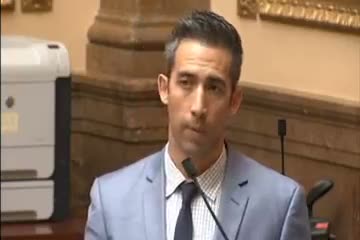
Representative Roberts, the House sponsor for the bill, described SB67 as "the annual reauthorization of the administrative rules" and explained that administrative agencies promulgate rules under statutory authority granted by the Legislature. He told members the Administrative Rules Committee and committee chairs should monitor rules to ensure they match legislative intent.
Several members asked detailed questions. Representative Peterson asked how many rules are covered; Roberts — with staff assistance in the chamber — provided a precise figure: "They're approximately, not approximately, exactly 2,203 rules in the Utah administrative code." Representative Peterson and others pressed on where the rules originate and how the oversight process works; Roberts said rules come from executive-branch agencies and that the Legislature authorizes rulemaking in statute. Representative Stratton and others underscored that the Administrative Rules Committee serves as the formal oversight body that can review rules, hold hearings and require agencies to explain or revise rules.
Roberts told members to contact Administrative Rules Committee members or him directly if they identify rules that may have exceeded statutory authority; the committee staff will compare rules to statute and schedule hearings if necessary. The exchange emphasized that reauthorization is not automatic consent to agency action but part of a broader oversight process.
After discussion, the House voted to pass SB67 (70 yea, 0 nay), sending it back to the Senate for the president's signature.
What happens next: Members and committees are expected to monitor agency rules during the interim; Representative Roberts and the Administrative Rules Committee will receive inquiries from lawmakers who identify problematic rules.