Get Full Government Meeting Transcripts, Videos, & Alerts Forever!
Get email alerts on the Criminal Law topic
No spam. Unsubscribe anytime.
House rejects bill that would create a narrow criminal duty to summon help in emergencies
Summary
After extended debate on civil liberties and prosecutorial reach, the House voted 26–44 to reject a second substitute of HB179, which would have required individuals with personal knowledge of serious bodily injury to make reasonable efforts to contact paramedics or provide assistance under limited circumstances.
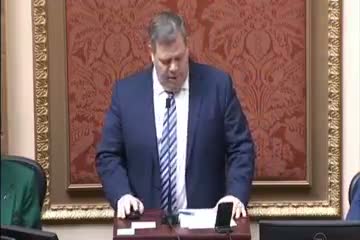
Representative King introduced a second substitute of HB179 to establish a limited criminal duty to make reasonable efforts to contact paramedics or provide assistance when an individual has personal knowledge that another person has suffered serious bodily injury in an accident or emergency. He framed the measure as a narrow tool for prosecutors to address "callous indifference" in extreme cases and said the bill does not create independent civil liability nor apply broadly.
Floor debate was lengthy. Supporters argued the bill addresses situations where bystanders do nothing despite having the ability to call 911, and emphasized carve-outs for personal danger, reasonable belief that someone else already assisted, and an intent requirement narrower than accomplice liability. Opponents said the bill criminalizes inaction, risks prosecutorial overreach, and is unnecessary under Utah's existing accomplice-liability law; several members described their discomfort with making nonaction a criminal offense.
Representative King noted the bill requires personal knowledge and reasonable effort and pointed to language intended to limit prosecutions to serious, clear-cut cases. After debate and summations, the House rejected the second substitute bill by a vote of 26 yay to 44 nay; the measure failed and was referred to staff for filing.
Floor remarks referenced the Nevada case (Jeremy Strohmeyer and David Cash) as context for sponsors' aims but opponents said Utah law already allows accomplice prosecutions in some comparable situations.