Get Full Government Meeting Transcripts, Videos, & Alerts Forever!
Get email alerts on the Federal Funds Contingency topic
No spam. Unsubscribe anytime.
Utah House approves bill to broaden contingency planning for federal funding drops
Summary
The House passed first substitute HB 59 (58-14), which adds qualitative planning steps to Utah's process for preparing for potential reductions in federal funds, directing state agencies to consider non‑quantitative risks and report actions to the Legislature.
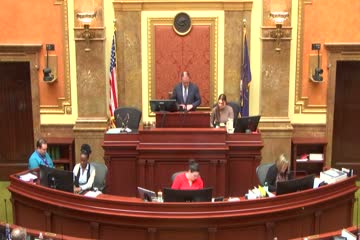
The Utah House of Representatives on Jan. 31 passed first substitute HB 59, a change to the state's federal‑funds contingency planning process, by a 58‑14 vote. The bill, presented by Representative Ivory, directs state agencies and oversight bodies to add qualitative analysis to the existing quantitative contingency reviews and to plan for potential reductions in federal revenue.
Representative Ivory told the chamber the measure updates a 2011 framework that has helped preserve the state's credit rating and that the bill prepares Utah for what federal auditors have called an unsustainable revenue trajectory. "Imagine a family with an income of $75,000 ... they're already $600,000 in debt," Ivory said, arguing the state should plan now for shocks to federal funding. Representative Stratton spoke in support, calling the bill an act of "wise fiscal stewardship" and urging anticipatory budgeting to protect the state's fiscal health.
Supporters said the change shifts some emphasis from purely numerical contingency calculations to include narrative, program‑level risks and steps agencies would take if federal grants or reimbursements decline. The sponsor said the bill would be subject to appropriations and that it aims to prioritize rural and high‑need programs if cuts occur.
Opponents were recorded in the tally (14 no votes) but no sustained floor debate opposing the bill was reported in the transcript. The House sent the measure to the Senate for further consideration.
The bill now awaits Senate consideration and any amendments the upper chamber may propose; the transcript records the House vote and transmission but does not include the text of required reports or an implementation schedule beyond subjecting appropriations to future action.