Get Full Government Meeting Transcripts, Videos, & Alerts Forever!
Get email alerts on the Zoning Tattoo Shops topic
No spam. Unsubscribe anytime.
Rutherford council approves first reading to allow 'artistic' tattoo shops after heated debate
Summary
After public support from local shop owners and residents and a lengthy council exchange over zoning limits and process, council passed first reading of a zoning amendment to permit state-defined "artistic" tattoo businesses (with a second-floor concession); ordinance will go to the planning board for review.
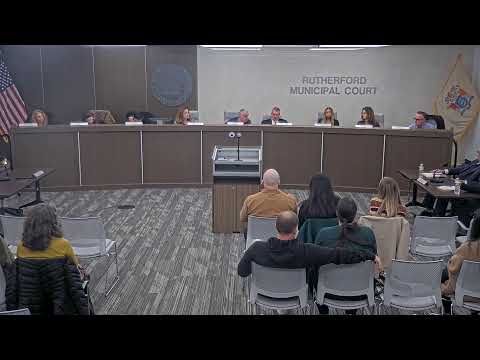
The Rutherford Borough Council voted on Dec. 9 to advance an ordinance, on first reading, to allow state-classified "artistic" tattoo businesses in specified commercial zones, following public testimony from local owners and an extended council debate over zoning restrictions and process.
Anthony Pereira and Paula Ocapp Perera, who run a local cosmetic-tattoo studio and live in town, urged the council to permit artistic tattooing locally so they could expand their family business in Rutherford. "By expanding my tattooing service at Arcana, I hope to contribute that vision and help make Rutherford a place where both tradition and new ideas can thrive," Pereira told the council.
Councilman Matt Coakley, sponsor of the zoning change, presented slides and argued the industry is tightly regulated in New Jersey under the Body Art Procedures Act and that permitting artistic tattoo shops would support small-business growth. As a compromise to address some colleagues' concerns, the draft ordinance includes a restriction to second-floor locations in the permitted zones and will be submitted to the planning board for advisory review.
Council President McGowan urged caution about process, saying she had only seen the draft late and wanted more time to examine zoning implications; she voted against advancing the ordinance at first reading. Other council members voiced competing concerns: some expressed stigma-based unease early in the discussion but said they were persuaded after presentations; some raised clustering and proximity-to-schools worries; others argued the market and licensing requirements limit overconcentration.
The roll call on the first reading produced mixed votes: McGowan No, Begg Roberson Yes, Guzman No, Delray Cone Yes, Quattrone Yes, Coakley Yes. The motion passed and the council instructed staff to send the ordinance to the planning board for review and comment before subsequent hearings.
Council members also agreed that if the planning board raises technical zoning issues, those comments will return to the council for further amendment and public discussion. The sponsor and several colleagues emphasized the ordinance is amendable at future meetings and intended to help two local residents open and grow a business in town.
Next steps: planning-board review and further public notice before second reading and final vote.