Get Full Government Meeting Transcripts, Videos, & Alerts Forever!
Get email alerts on the Economic Development topic
No spam. Unsubscribe anytime.
Millville advances CRP redevelopment agreements and first‑reading of 30‑year pilot amid vocal public concern
Summary
The Millville City Commission moved on first reading an ordinance authorizing a long‑term tax exemption (a PILOT) and approved a redevelopment/purchase agreement with CRP Development, prompting residents and the school board to press for more specifics on payments, school impacts and local hiring commitments.
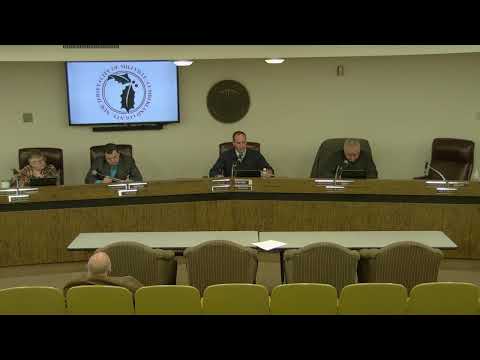
The Millville City Commission voted to advance an ordinance on first reading that would authorize a long‑term tax exemption and a financial agreement with CRP Development for property in the James R. Hurley Industrial Park, and separately approved a redevelopment and purchase‑and‑sale agreement with the same developer.
The measures, presented as steps to finalize a planned redevelopment of city‑owned industrial land, were approved on roll call after public comment that ranged from technical questions about the contract to broader concerns about whether the deal will help local schools and local workers. A city official summarized the structure of the proposed PILOT, saying the land would still be taxed and projecting “about $750,000 a year for the tax on the land.”
Residents pressed the commission for more detail. “In exchange for, paying taxes, they agreed to pay $130,000,000 to the city for the term of the agreement for 30 years total,” said Rose Sias Whitaker, who asked for clarification of the figures shown in the documents. The official present described that total as a projection and said the financial‑agreement mechanics (an annual service charge based on income with a credit for property tax) will be worked out at the public hearing and with financial advisers.
School officials and parents urged the commission to secure and formalize any commitments to the school district. A representative of the Board of Education said the district appreciated being part of the process but requested a meeting with city leadership and the developer before the ordinance’s second reading “to understand exactly what that commitment is so that we can make sure that we protect … the citizens.”
Residents expressed broader worries about the length and scope of the exemption and the potential for vacancy. “That is generational,” said Patricia Keers of the pilot’s 30‑year term, adding that the scale of several planned warehouses raised questions about future occupancy. Paul Pereca warned the pilot could effectively extend longer, saying he read clauses that could let the benefit span phases and “could actually last 50 years, not 30.” City staff and the redevelopment attorney responded that the pilot law requires property tax on the land to be paid and that the annual service charge is calculated as a percentage of income with procedural remedies if redevelopment deadlines are not met.
Officials said full financial details and legal explanations will be presented at the public hearing set for the ordinance’s second reading, and redevelopment counsel was invited to the next meeting to answer technical questions. Commission votes to move the ordinance on first reading and to approve the redevelopment agreement were both carried by roll call.
The next procedural step is the statutory public hearing and second reading, where the commission will consider public testimony and detailed commentary from the city’s redevelopment counsel and financial advisers.