Get Full Government Meeting Transcripts, Videos, & Alerts Forever!
Get email alerts on the Kimball Junction PPP topic
No spam. Unsubscribe anytime.
Council and developer representatives continue debate over density, traffic and public-private tradeoffs at Kimball Junction
Summary
Dakota Pacific presented follow-up after public hearing; the council and DPRE debated whether traffic solutions prioritized by UDOT and step funding timing justify the residential unit counts proposed in a PPP; council members voiced concerns that proposed densities remain too high and asked for clearer allocations of public benefits and phased plan details.
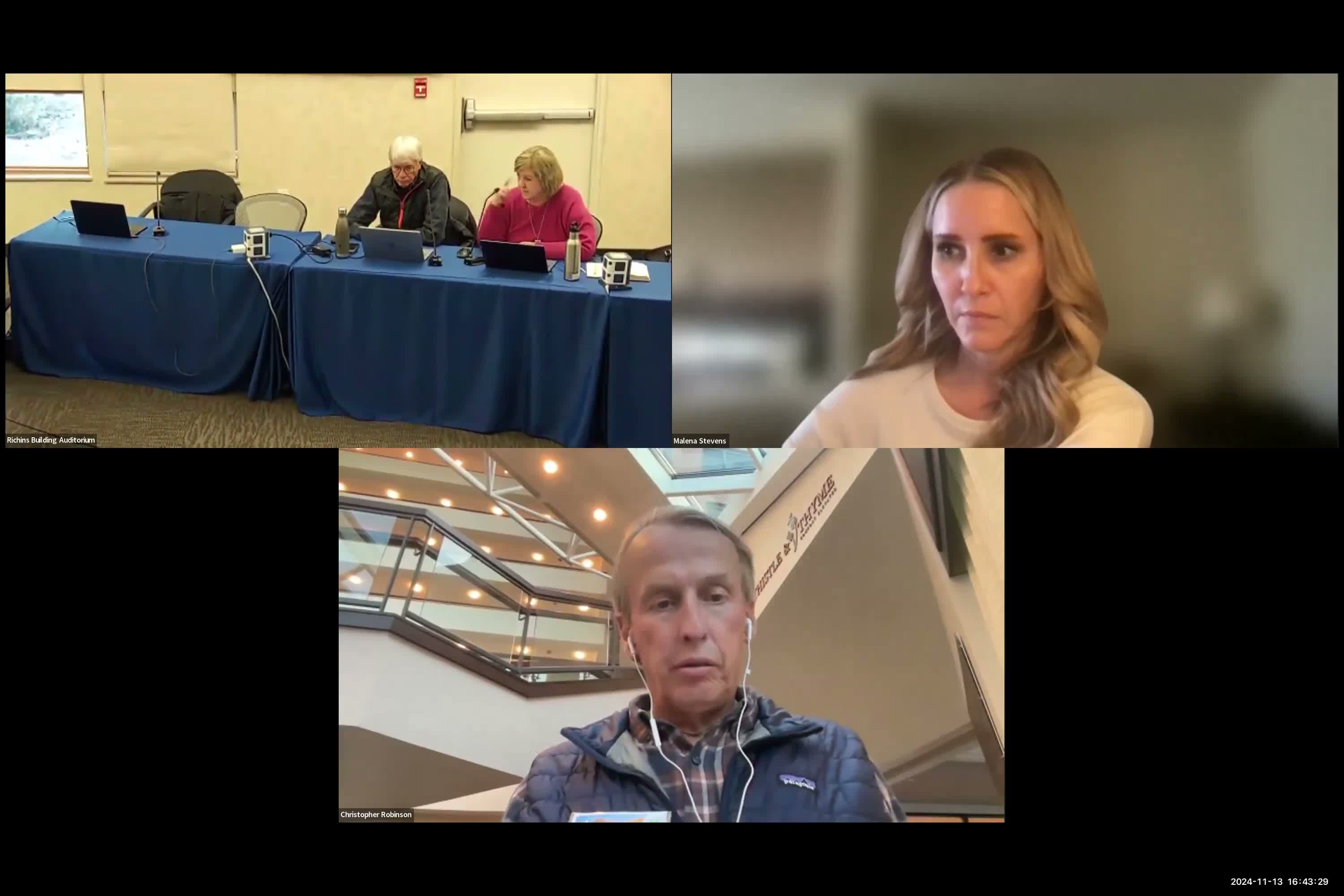
Representatives for Dakota Pacific updated the council on feedback from a recent public hearing about plans for Kimball (Kimball) Junction and a potential public-private partnership (PPP). The presentation and subsequent council discussion focused on two recurring concerns: transportation impacts (SR-224/US-40 intersections and UDOT Step process) and the density/number of residential units.
Dakota Pacific said the PPP is intended to create public benefits (improved transit center, commercial uses and a trade of properties to improve multimodal access) and that those benefits are tied to phasing and Step funding for SR-224 improvements. Council members expressed repeated skepticism that planned UDOT fixes alone would mitigate peak-period congestion and worried that high unit counts would add thousands of daily trips. "We're not going to get 50% ridership on buses... maybe 10 to 15%," one council member said, questioning assumptions about transit ridership replacing car trips.
On unit counts, developers argued the pro formas require higher densities to be economically feasible; one industry presenter said carving the site down to 2040 units (or tens of units) would make the economics untenable and recommended a range that could include 210 units on developable acreage or alternatives. Several council members repeatedly requested that the developer revisit the pro formas and provide clearer cost allocations for public amenities, phasing and water and utility capacity. The meeting concluded with no final vote; the council scheduled further discussion for the next meeting.
What happens next: staff and developers will return with additional financial modeling, clarified infrastructure timing for water and UDOT step funding, and proposed phasing to reduce traffic impacts before the council considers any formal land-use changes.