Get Full Government Meeting Transcripts, Videos, & Alerts Forever!
Get email alerts on the Budget topic
No spam. Unsubscribe anytime.
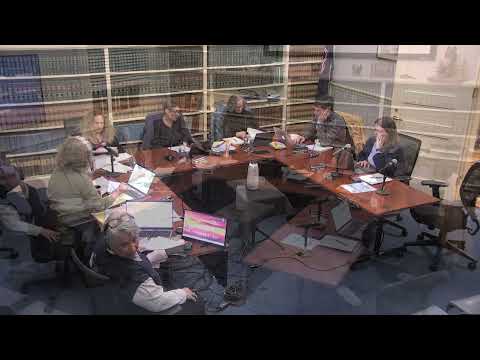
Concord board hears FY26 budget preview as staff warns 2.6% guideline won’t sustain level services
Summary
Town staff told the Select Board that Finance Committee’s preliminary 2.6% guideline for FY26 will not allow a full level‑services budget, laying out capital tiers, debt expectations and larger cost drivers such as health insurance and retirement contributions.
Concord town staff told the Select Board on Tuesday that the Finance Committee’s preliminary guideline of 2.6% for fiscal 2026 will make it difficult to present a level‑services budget.
Town Manager Carrie (Town Manager) and finance staff reviewed a capital plan organized into four categories: capital outlay (typically under $10,000), Tier 1 ($10,000–$250,000) funded with cash, Tier 2 ($250,000–$2.5 million) typically debt financed, and Tier 3 (projects above $2.5 million). For FY26 the town is carrying $3,236,000 in Tier 1 cash projects combined with school spending—about 2.35% of the consolidated town and school budget—below the committee’s 2–3% target but described as an intentional shift to fund more with cash rather than long‑term debt.
“Right now we’re really focusing on fiscal 26 and aligning that with the plan that’s coming forward from the finance committee,” Carrie said, adding the town will prioritize projects if available cash can’t sustain the $3.2 million figure.
Staff flagged several fixed‑cost pressures that drive year‑over‑year increases: projected health insurance increases (staff cited a 12% projection for FY26), rising debt service tied to recent bond issuances and the middle‑school project, and retirement/OPEB contributions. Carrie said the town currently pays about $1,467,000 annually toward OPEB and that discussion with the actuary suggested that contribution might be reduced in future years while still maintaining credible funding.
On revenue, staff noted that the 2.5% property tax increase allowed under Mass. General Laws produces most of the predictable tax growth; the Department of Revenue certified the tax rate earlier the same day. Staff estimated total FY26 revenues at about $144.1 million with roughly $33.1 million consumed by fixed costs, leaving limited discretionary room.
Board members pressed staff on how FY26 figures compare with FY25 and how much debt service is rolling off; staff said some debt service increases reflect timing (late FY bond issuance created first debt payments in FY26) rather than new borrowing. Members also asked for clearer, measurable targets for proposed goals such as overtime reduction and body‑camera replacement plans.
Next steps: staff will return with prioritization options and a refined budget calendar; the town expects to issue formal budget packages to departments by the end of next week and continue discussions with the Finance Committee in mid‑December and January public hearings.