Get Full Government Meeting Transcripts, Videos, & Alerts Forever!
Get email alerts on the Fiscal Policy Pilot topic
No spam. Unsubscribe anytime.
Concord Select Board reviews voluntary PILOT pilot to seek contributions from tax-exempt property owners
Summary
The Select Board discussed a proposed voluntary Payment-in-Lieu-of-Taxes (PILOT) pilot policy that would ask large tax-exempt institutions to contribute toward municipal services; staff estimated exempt-property value near $487 million and said a 25% service-share benchmark could yield roughly $1.5 million annually, with negotiations and case-by-case adjustments expected.
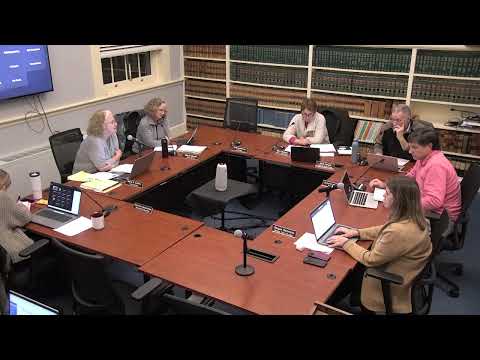
The Concord Select Board on Nov. 4 discussed a proposed voluntary Payment-In-Lieu-of-Taxes pilot policy that would invite tax-exempt property owners to reimburse the town for public services they use.
CFO Anthony Ansaldi told the board that exempt properties in Concord total about $487 million in assessed value. "If those properties were taxed at 100 percent, that would mean approximately almost $6,000,000 of taxes to the town," he said, adding that the pilot aims to capture about 25 percent of the estimated service burden as an initial benchmark.
Board members pressed staff on how the number would be used in negotiations and urged flexibility for special circumstances. Select Board member Terry noted that some exempt institutions enroll students in Concord public schools and said those cases should be treated "on a case-by-case basis." Ansaldi agreed: "We'll be reviewing on a case-by-case basis before we even start the conversations with these entities."
The proposed approach is voluntary and staff described it as a staged negotiation: if the Select Board adopts the policy, the town would mail information to exempt entities and invite them to begin conversations. Several members asked staff to broaden the policy rationale beyond public safety and public works, to include other municipal services that benefit some exempt institutions.
Board members also discussed how the pilot would handle property transitions, such as parcels that move from taxable to exempt status after acquisition by a nonprofit. Select Board members suggested options to phase in changes so the town is not immediately disadvantaged.
Anthony said the figure is an estimate based on current values and comparable programs in other Massachusetts communities and that the town will bring a refined policy back to the board after incorporating tonight's edits. The board asked staff to revise the draft to clarify eligible services, negotiation principles and potential phase-in rules and to return with a revised policy at the Nov. 18 meeting for possible vote.