Get Full Government Meeting Transcripts, Videos, & Alerts Forever!
Get email alerts on the Social Media Liability topic
No spam. Unsubscribe anytime.
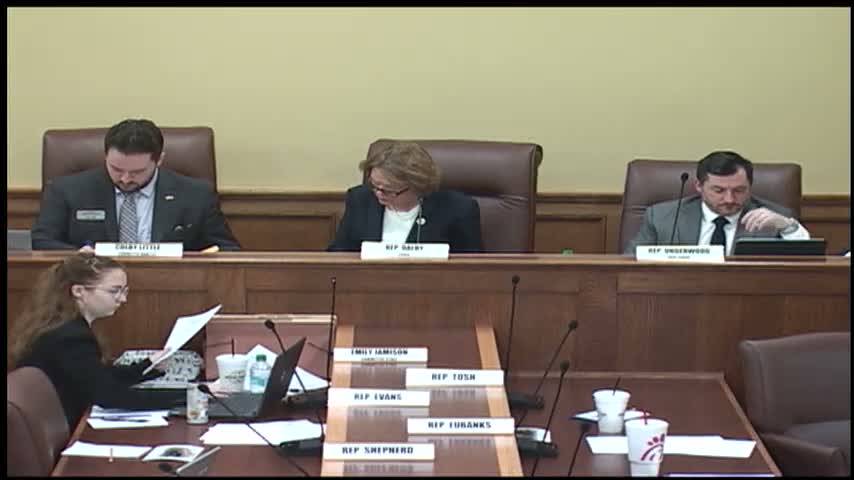
Committee clears bill creating private right of action against social platforms for harm to children
Summary
The committee passed Senate Bill 6 12, which would allow parents to sue social-media companies when platform features cause serious harms to minors; sponsors said courts and juries would decide negligence, while some members raised constitutional and implementation concerns.
Senate Bill 6 12 advanced from House Judiciary after sponsors described it as a tailored private right of action to let parents seek remedies when social-media design and algorithms cause demonstrable harm to children.
Senator Tyler Deese (presenting) said the bill creates "the ability for parents...to have their day in court" and described a framework that would allow juries to decide whether a platform "knows or should have known" that an algorithm or feature caused harm. He acknowledged potential litigation by companies but said the bill draws on lessons from other states and was drafted with input from stakeholders.
Representative Ashley Hudson and others pressed sponsors on breadth and enforcement: Hudson asked how the statute would identify when a design "causes an eating disorder" or other harms; Deese responded that these issues would be resolved in court and that SB 6 11 (a companion bill) provides definitions and standards for assessing addiction and harmful design.
Deese told members he expected legal challenges but stressed the bill was carefully tailored and paired with other measures; he said he welcomed further refinements but asked for committee support. The committee adopted the amendment and voted the bill out by voice vote; the chair announced, "The ayes have it. Congratulations. You have passed your bill."
What’s next: The bill moves from committee to the House calendar; its civil-liability framework and standards for negligence are likely to prompt constitutional scrutiny and litigation if enacted.