Get Full Government Meeting Transcripts, Videos, & Alerts Forever!
Get email alerts on the Foster Care topic
No spam. Unsubscribe anytime.
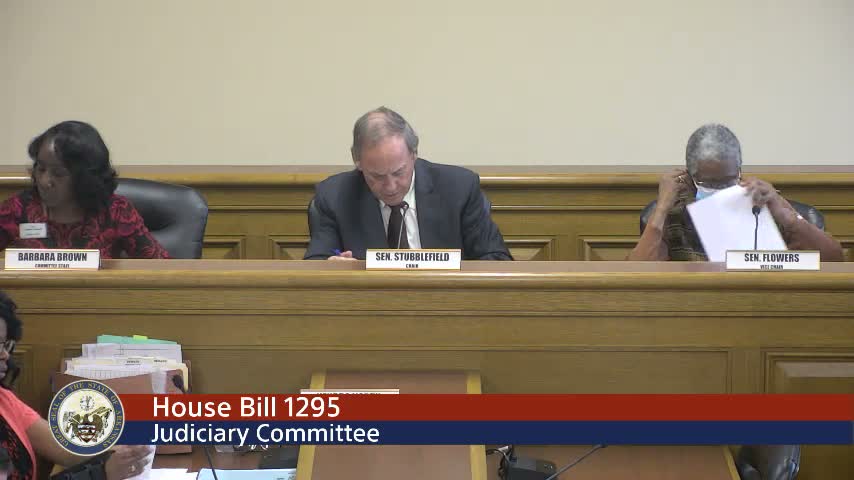
Committee advances bill to let foster youth have greater voice in placement decisions
Summary
The Judiciary Committee passed a bill to require courts to consider the expressed preferences of juveniles in foster care; sponsors said ad litem still represents the child's best interests and that courts retain discretion about testimony and methods of gathering a child's preference.
The Senate Judiciary Committee voted to advance a bill proposed by Representative Vaught to increase the formal role of foster youth in placement decisions by directing courts to consider a juvenile’s stated preferences.
Vaught said the bill was prompted by a tenth‑grade constituent who asked that, after repeated moves, she be given a greater voice about where she lives. "She said after so many times, she thought she should at least have a voice in the matter," Vaught said, and the bill is designed to ensure courts can consider a juvenile’s views in placement and family‑time decisions.
Kristen Harper, assistant director with the Division of Children and Family Services, told the committee the bill mirrors language already used in domestic‑relations statutes so that courts may consider a juvenile’s preferences but would not necessarily force a child to testify. "The attorneys ad litem ... represent the best interest of the child," Harper said. "How those preferences are shared with the court may vary. It may absolutely include the youth testifying. But again, some youth are not comfortable testifying … there are different ways that we can have the youth's voice heard, which may include them preparing a written statement that the ad litem reads on their behalf."
Senators questioned implementation details, including whether ad litem reports should use a standard checklist and how judges would determine a juvenile’s capacity to state a preference. Committee members were told ad litem practitioners had input into the bill and that judges retain discretion to determine a child's capacity. Members urged follow‑up to consider whether any required report content would aid judges reviewing heavy dockets.
Representative Vaught closed by urging a favorable vote, saying the bill responds to a constituent who wanted to stay in a safe, loving home rather than be returned to a harmful placement. The committee approved the bill by voice vote.