Get Full Government Meeting Transcripts, Videos, & Alerts Forever!
Get email alerts on the Vehicle Registration Fees topic
No spam. Unsubscribe anytime.
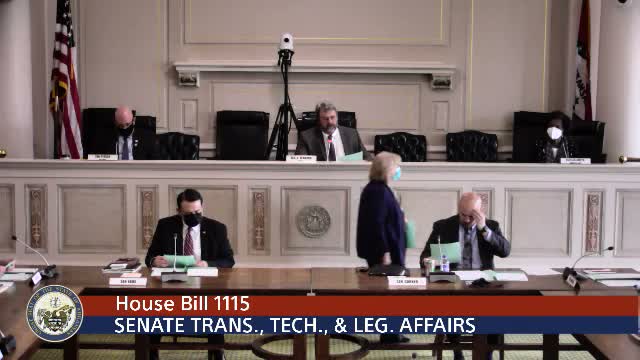
Committee approves lower registration fee for regular hybrids, keeps higher fees for plug-in hybrids and electric cars
Summary
Senate Bill 225, sponsored by Senator Johnson, sets regular hybrid registration at $50, plug-in hybrids at $100 and fully electric vehicles at $200, effective Jan. 1, 2022; DFA estimated annual revenue reduction up to about $1.1 million, with a partial-year impact of about $550,000.
The Senate Transportation Committee approved Senate Bill 225, which changes the state vehicle registration-fee structure for electric and hybrid vehicles. Sponsor Senator Johnson said the bill would set a $50 registration fee for regular hybrid vehicles, retain a $100 fee for plug-in hybrid vehicles and keep the $200 fee for fully electric vehicles. Johnson said the distinctions are meant to reflect differences in fuel-tax contributions and vehicle efficiencies, and that the January 1, 2022 effective date would give the Department of Finance and Administration time to identify vehicle types in their systems.
"What this bill does is sets the regular hybrid at $50," Johnson said. She told the committee that a "plug in hybrid" functions like an electric vehicle in city driving but uses its internal combustion engine for longer trips; Johnson said that categorization makes plug-in hybrids harder to measure for efficiency and therefore the fee remains at $100. She told the committee the policy is intended to "create a fairness for our constituents and limit the impact on these funds for the highways."
Paul Gearing of the Arkansas Department of Finance and Administration testified on the bill's fiscal impact, saying DFA initially estimated that reducing the hybrid registration fee from $100 to $50 would decrease revenues by about $1,100,000 annually. Because the bill as amended would keep plug-in hybrids at $100, DFA could not provide a firm revised total, but said the first partial year (with a Jan. 1, 2022 effective date) could reduce collections by up to about $550,000, with a full-year reduction up to roughly $1.1 million depending on how many vehicles remain classified as plug-in hybrids.
Committee members asked how the state would distinguish plug-in hybrids in the registration system. Gearing and DFA staff said the vehicle identification number (VIN) currently indicates whether a vehicle is a hybrid but does not reliably indicate plug-in capability; DFA said it will add a registration question and consult secondary sources to identify plug-in hybrids. Senator Chesterfield and others pressed about reliance on customer self-identification; DFA said it expects most customers to be honest but will seek secondary verification methods where possible.
Senator Chesterfield moved to pass the bill; Senator Garner seconded. The committee approved SB 225 by voice vote.