Get Full Government Meeting Transcripts, Videos, & Alerts Forever!
Get email alerts on the School Safety topic
No spam. Unsubscribe anytime.
Committee clarifies 30-foot no-pass zone for stopped school buses
Summary
The Senate panel approved a House bill that defines a not-less-than-30-foot zone around stopped school buses — including public streets, publicly accessible private property, and school driveways — to clarify where motorists must stop when buses display stop signals.
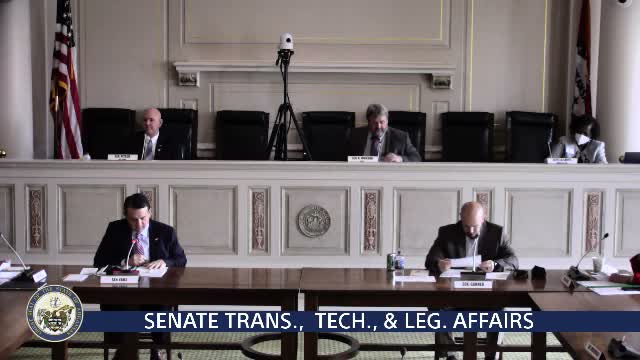
Senate Transportation, Technology & Legislative Affairs — The committee approved a House bill (sponsored in the House by Representative Boyd) that clarifies where motorists must stop for school buses loading or unloading students, specifying a minimum 30-foot clearance in certain locations.
Sponsor testimony said the change is intended as a proactive clarification following consultations with law enforcement; the bill lists locations where the rule applies, including public streets, roads or highways, private property open to the general public such as mall parking lots, and school driveways or parking lots. The sponsor said that 30-foot language came from discussions with law-enforcement organizations to address situations with ample surrounding space where motorists sometimes drive too close to stopped buses.
Senator Garner raised a rural-enforcement scenario, noting that in some rural areas drivers use amber lights as a signal to pass; sponsor and colleagues said the bill targets situations where motorists pass or continue moving after a bus has fully stopped and deployed its stop sign and red lights. Senator Chesterfield, citing personal familiarity with bus operations, urged strong support, saying that even a single child fatality is unacceptable and that consistent enforcement is needed.
No members of the public signed up to testify. The committee moved, seconded and passed the bill by voice vote; the transcript does not include a roll-call tally.
The committee recorded no amendments and did not refer the measure to additional subcommittees in the transcript; the next step is anticipated floor consideration.