Get Full Government Meeting Transcripts, Videos, & Alerts Forever!
Get email alerts on the Military Benefits topic
No spam. Unsubscribe anytime.
Committee advances bill to let surviving spouses pick up Purple Heart specialty plate
Summary
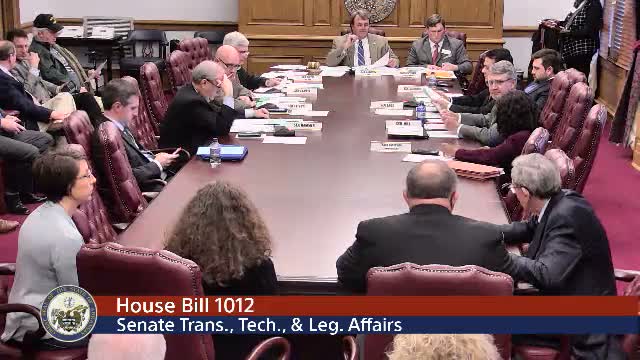
A Senate committee advanced House Bill 10‑12 to allow a surviving spouse of a service member killed in action to obtain a Purple Heart specialty license plate; the committee heard testimony from the spouse of a fallen soldier and confirmed the fee will match existing specialty‑plate charges.
A Senate Transportation, Technology & Legislative Affairs committee voted to advance House Bill 10‑12, a proposal to allow the surviving spouse of a service member killed in action to obtain the Purple Heart specialty license plate.
An unidentified sponsor told the committee the bill fixes “a glitch in the law” that prevents a spouse from picking up the plate if the service member was killed in action. The sponsor said, “This bill simply allows the spouse of the service member who has been killed in action to pick up the Purple Heart.” The sponsor introduced Sherry Riley, whose husband Donovan Riley was killed during Operation Gothic Serpent in Mogadishu, to speak in support.
Sherry Riley told the panel she appreciated its time and the importance of the issue to “me and other women that or other spouses that this may affect.” Committee members asked whether the fee for a surviving spouse would differ from the normal specialty‑plate charge. The sponsor and staff indicated the cost would be the same as if the service member picked up the plate, consistent with other specialty plates.
With no public opposition recorded in the transcript, the committee moved the bill as amended and approved it by voice vote to advance to the next stage.
The committee did not record a roll‑call tally in the transcript; the motion to advance was seconded and passed by voice vote. The bill will proceed in the legislative process for further consideration.