Get Full Government Meeting Transcripts, Videos, & Alerts Forever!
Get email alerts on the Dwi Record Sealing topic
No spam. Unsubscribe anytime.
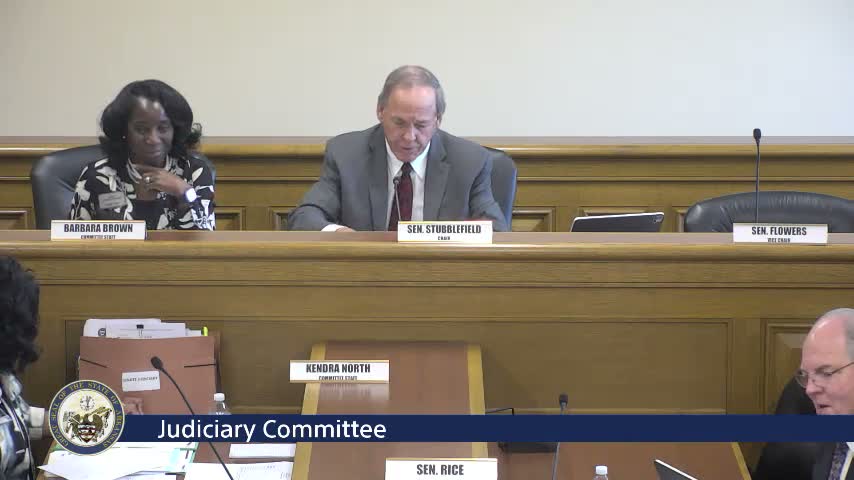
Committee passes bill to require 10-year wait to seal felony DWI records, matching misdemeanors
Summary
Representative Carol Dolby told the Judiciary Committee that House Bill 1352 closes a gap in prior record-sealing law so felony DWI convictions follow the same 10-year waiting period as misdemeanor DWIs; committee members asked how sealing affects employers and enhanced penalties, then passed the bill.
Representative Carol Dolby (District 100) presented House Bill 1352, explaining it addresses an unintended effect of a previous record-sealing law: some unclassified felonies, including felony fourth or fifth DWI, could be sealed immediately upon sentence completion while misdemeanor DWIs required a 10-year wait. "So what this bill does, it closes that gap and says that if you have a felony DWI you too will have to wait the 10 years before you can seal your record," Dolby said.
Committee members asked whether sealed records would be visible to employers or licensing bodies; an unidentified questioner asked whether a potential employer or licensing institution could see a sealed record and was told sealing would prevent such access. Senator Tucker asked whether the 10-year look-back period remains relevant for enhanced penalties if another DWI occurs within that period; Dolby confirmed the bill aims to prevent a person with a newly sealed prior felony DWI from avoiding enhanced penalties on subsequent offenses.
Following those clarifications and a brief exchange with Senator Clark about parity with other felonies, a motion to pass House Bill 1352 was made and seconded; the chair called for the ayes and announced the bill passed.